The Way Life Should Be in Summer

It’s early October, but summer is still hanging on by a desperate thread. Every day that I put on my open toed shoes I wonder if it will be the last until next season. But this little bit of summer in fall got me thinking about to the height of summer and the time I spent in Maine then. It already seems so far away, but I wanted to share some summertime memories with all of you.

My home state of Maine has had some pretty silly slogans over the past few years. I think there was a collective eye roll when “Vactionland” was the phrase that was placed on Mainers license plates. Our other catch phrase is the slightly less insulting “The Way Life Should Be.” Well, the way life should be if you like six months of winter, a sluggish economy, and being cut off from the rest of the United States (but being significantly closer to Canada, which is a benefit in my opinion).

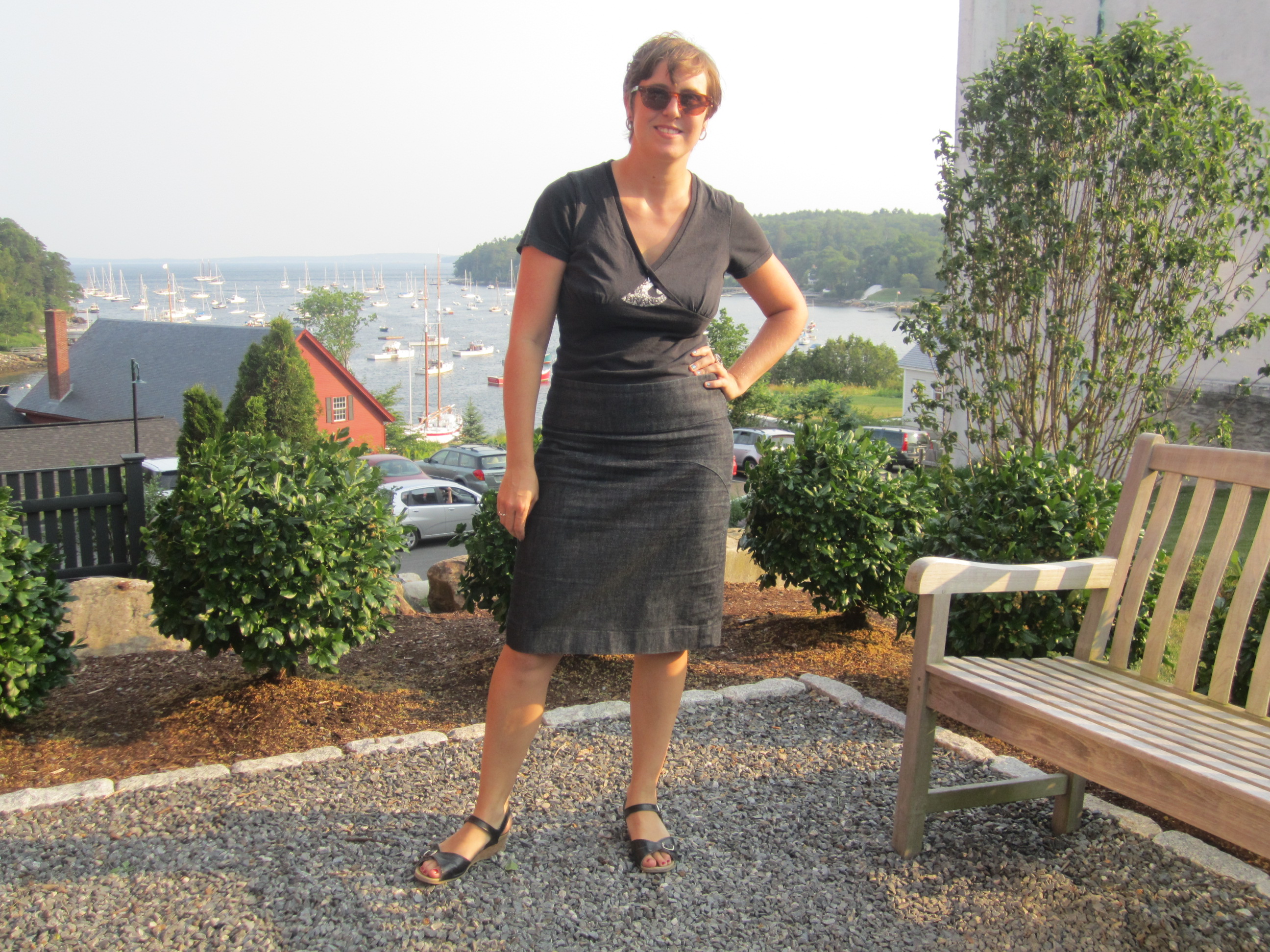
Downeast fashion: Preloved t-shirt, Gap skirt (my "on the road" work uniform)

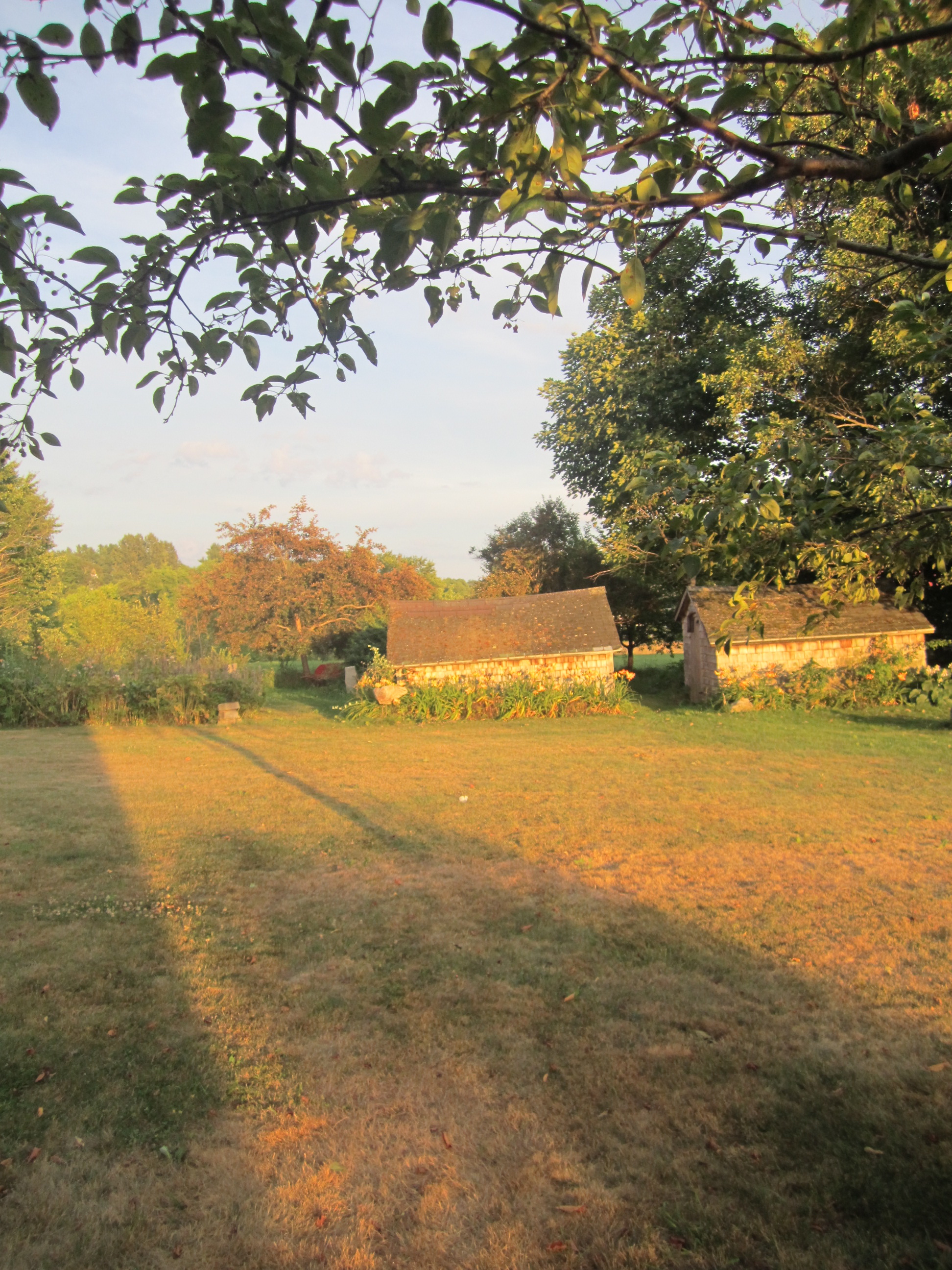
Relaxing on the farm: Built by Wendy t-shirt, J Crew shorts, Espadrilles from Les Toiles du Soleil

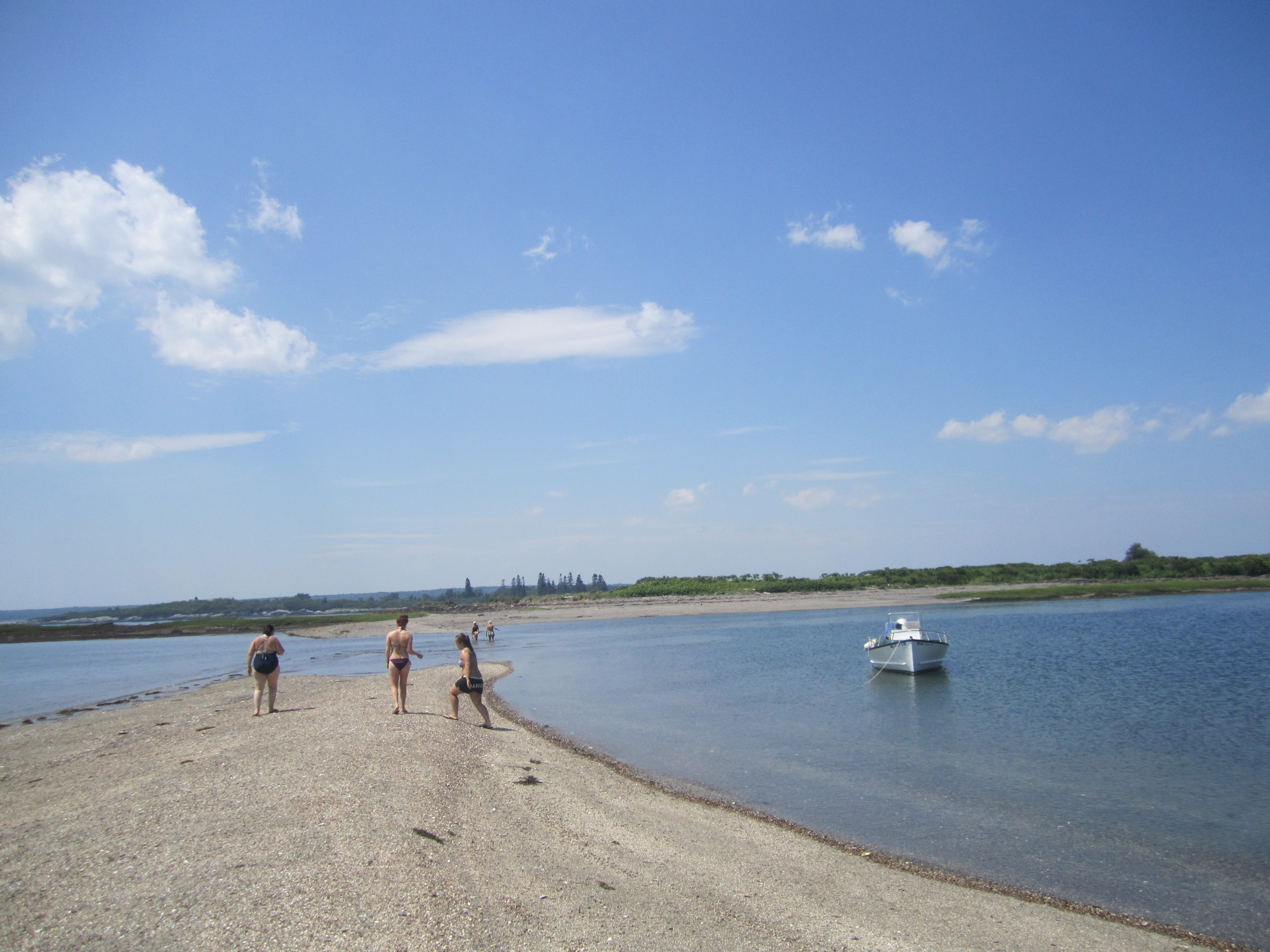
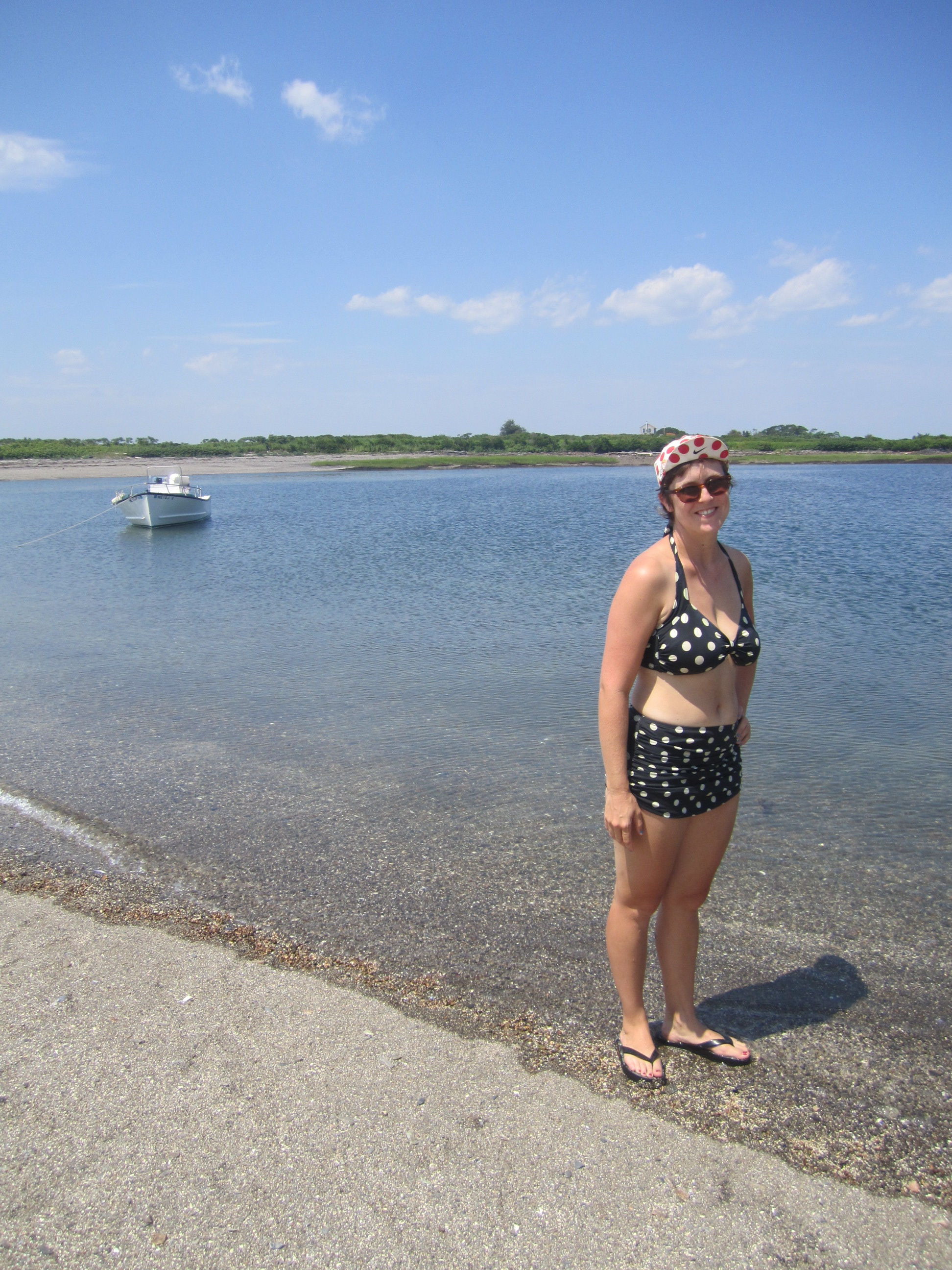
Esther Williams bathing suit. Best bathing suit ever. On Bates and Ministerial islands, Casco Bay, Maine. My favorite islands ever.

For a few short weeks in summer Maine lives up to its slogan. Days are sunny, long and not too hot. The ocean is refreshing, but swimmable. There is ample fresh lobster and seafood to eat. Farm fresh produce is abundant. The bugs of late spring have retreated a little bit. There are opportunities for hikes, beautiful drives along the craggy coastline, and boat rides to islands that can be privately yours for the afternoon.

Sunflower. Hiking in the background by SMH.

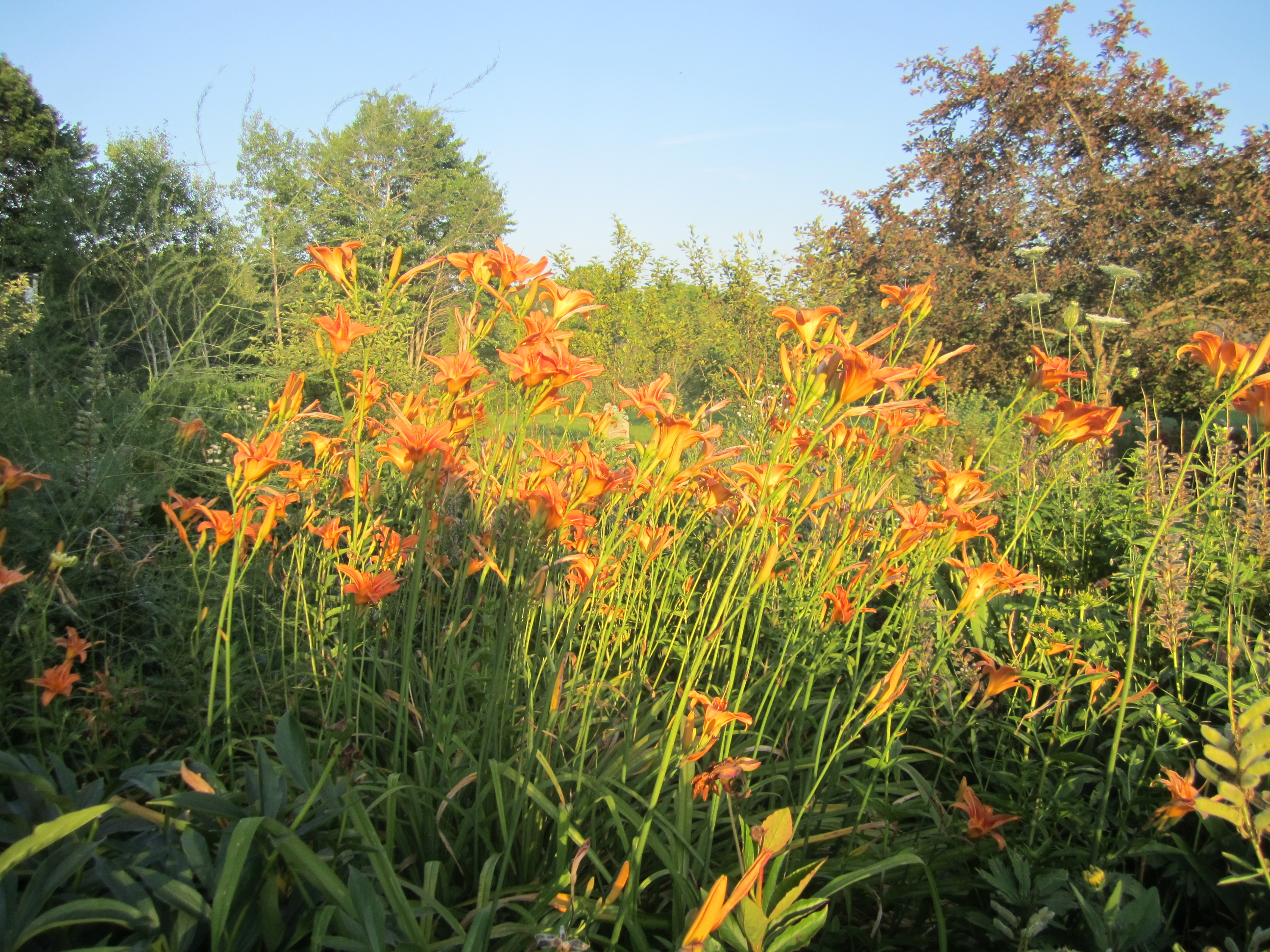
Day Lilies. Late summer Maine special.

Causeway. Deer Isle, Maine.

Because I was in Maine for work, as well as hosting a getaway weekend for my friends, I got to drive all through the state. I took highways and byways I hadn’t driven on since I was a small child. I was able to revel in the beauty of the state and see it through the eyes of an outsider.  With a place this beautiful it’s no wonder someone thought it was a good idea to call it “Vactionland.”

Eggemongen Reach, Maine

Variations on a Fashion Theme

Tenue du jour and new shoes!

J Crew shirt, Madewell jeans, vintage belt, Dolce Vita shoes, vintage Coach purse stolen from my mom!

These days have been so busy. Sometimes I am surprised about how many lives I can cram into one day of my life. As I go through my agenda I shift identities – arts professional, policy student, indie rocker, cyclist, friend, writer, cook. I’m juggling a lot and trying to accomplish even more this fall and I’m curious as to where all this running around will take me.

Variations on a fashion theme

Built by Wendy jacket, J Crew t-shirt, Zara red slims, Dolce Vita shoes, Leila Rowe necklace, vintage satchel

It’s during these time that I don’t have time to think about dressing up. I want clothes that will help me get the job done and will support me through all my metaphorical costume changes without necessitating a real one.

Coach bag + Dolce Vita shoes (playing tourist gets expensive!)

Vintage Coach bag and Dolce Vita shoes

I want an outfit that will put a little lift into a long day of appointments. Instead of always falling back on black, I try to pick one unexpected color or pairing. Lately I’ve been relying on my rose and bright pink jeans, different colored bags, and new shoe choices to serve this purpose. How do you dress to support all of your daily identities?

Rainy Day Color Block

Built by Wendy blazer, Zara jeans, Matt Bernson shoes, Vintage satchel, Leila Rowe umbrella.

Video for Corita’s Song “Remember That You Will Die”

When I asked my dear friend Leila Bourgougnoux if she would be interested in making a video for my band Corita I didn’t honestly believe she would say yes. Making a video is a lot of work, after all, and it’s not like Corita can pay our artist friends the big bucks. But she did say yes and I sent her a bunch of songs to choose from. She chose our shoegazy take on metal and Buddhist philosophy “Remember That You Will Die” and, after getting kicked out of filming in a Parisian laundromat, shot this beautiful Super 8 footage in the south of France. When the other members of Corita and I saw the results we were absolutely thrilled by how perfectly she interpreted our song. I hope you will be too.

The Rubin Museum of Art also wrote about the video and their song on their Education blog. It was my work on the Rubin exhibition of the same name that inspired the song, so this is a nice full circle!

“Dumpster Diving, Tofu + Zines” in Remedy Quarterly

Remedy Quarterly Issue 6 from Kelly Carambula

I am so pleased to announce that a story about my young days as a punk rock zinester back in Portland, Oregon has been published in the wonderful journal Remedy Quarterly. Run by Kelly Carambula of the fantastic food (and lovely cocktail) blog Eat Make Read, the publication features “Stories of food, recipes for feeling good.” Each issue is put together around a theme and the newly released issue number six has “Stealing” as its binding idea. As with anything theme driven it’s really fun to see how each author interpreted that theme. My piece takes on the late 1990’s punk community’s views on stealing and how we used that to our advantage to help feed hungry zinesters at the first Portland Zine Symposium in 2001. It also features a recipe for my potluck standby, peanut tofu noodles.

Not only is Remedy Quarterly a pleasure to read, but it is beautifully designed. It even features original fonts by Aaron Carambula, among others. In this digital age it’s nice to find a beautiful magazine you can hold in your hand, so the article is only available in the paper journal. Treat yourself! And why not subscribe and support independent publishing and cooking?

Yay! My piece (& recipe) on stealing tofu in the new issue of @remedyquarterly

And yes, I totally cross posted this to my food blog, 2 Cooks in the Kitchen.

Falling for the Color Block

J Crew shirt, Zara jeans, Ben Simon Sneakers, Cachemire et Soie for Jimmy Fairly sunglasses, and my mom's vintage leather tote from LL Bean

When I first saw colored denim appear on the fashion blogs earlier this year I thought to myself, “Ooh, noo, the 90’s really are back with a vengeance.” The last time I wore colored denim (dark green to be exact) was in 1992. It was the year I bought Nirvana’s Nevermind album on cassette and felt really cool about that. I also got my first pair of Converse All Stars, which I quickly found out you cannot wear in the Maine winter and expect to have dry feet at the end of the day. I bought a pair of Airwalk shoes too (before they were made by Payless), but claimed I was “not a poser” even though I didn’t skate. Not being a poser was very important in the early 1990’s.

I never stopped wearing Converse and still proudly sport an American made pair I acquired at a clothing swap in Portland, Oregon in 2001 (may they buck the trend of Converse and never wear out!). However, I quickly abandoned colored denim and have stuck with straight leg, dark wash jeans since the mid-1990’s.

A Flate White from Cafe Grumpy to match my color block

Well, Nirvana’s albums are being re-released as fancy re -issues (I still have my battered cassette), Converse are now being made by Nike in Asia and are all the rage with the high fashion set, and colored denim is back. I really held out. No way was I going to be running around like some poser in skinny, bright pink jeans this spring. But I kept seeing them on the blogs and on the street. And they looked good!

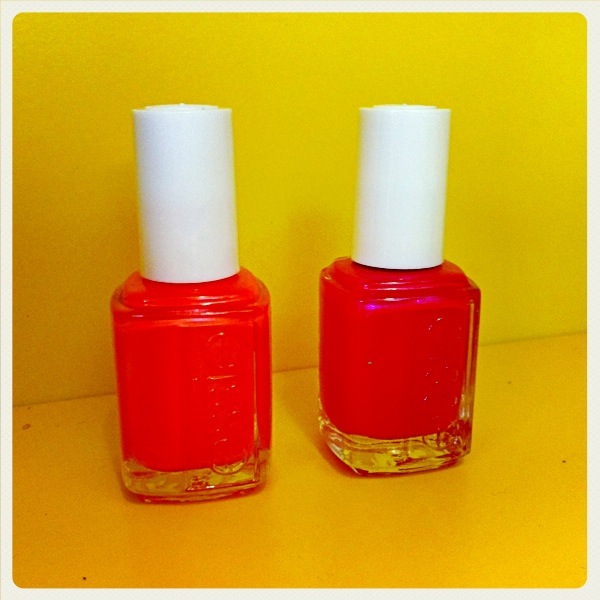
Essie "Braziliant" and "Super Bossa Nova" to extend the color block to the tips of my fingers and toes

I think I finally cracked when I was offered a pair of dusky rose jeans at a clothing swap. They were a way to ease my way back into colored denim. Finally, I decided that one of my two major purchases for the fall would be pink or red jeans. I looked at J Brand. So nice. So out of my budget. I ordered a pair of knock-off red denim from Asos. They didn’t fit and felt too much like jeggings. Finally, I took a late-evening wander through SoHo and tried on every pair of pink, orange or red pants that Zara had to offer. I found them. Skinny. Denim. Bright, dark pink. And on sale! My Ben Simon’s may win out over my Converse as a shoe pairing, but I guess the dream of the 1990’s is still alive in my adult fashion choices.

The Utopia Project Volume III: The MacDowell Colony

The library at the MacDowell Colony

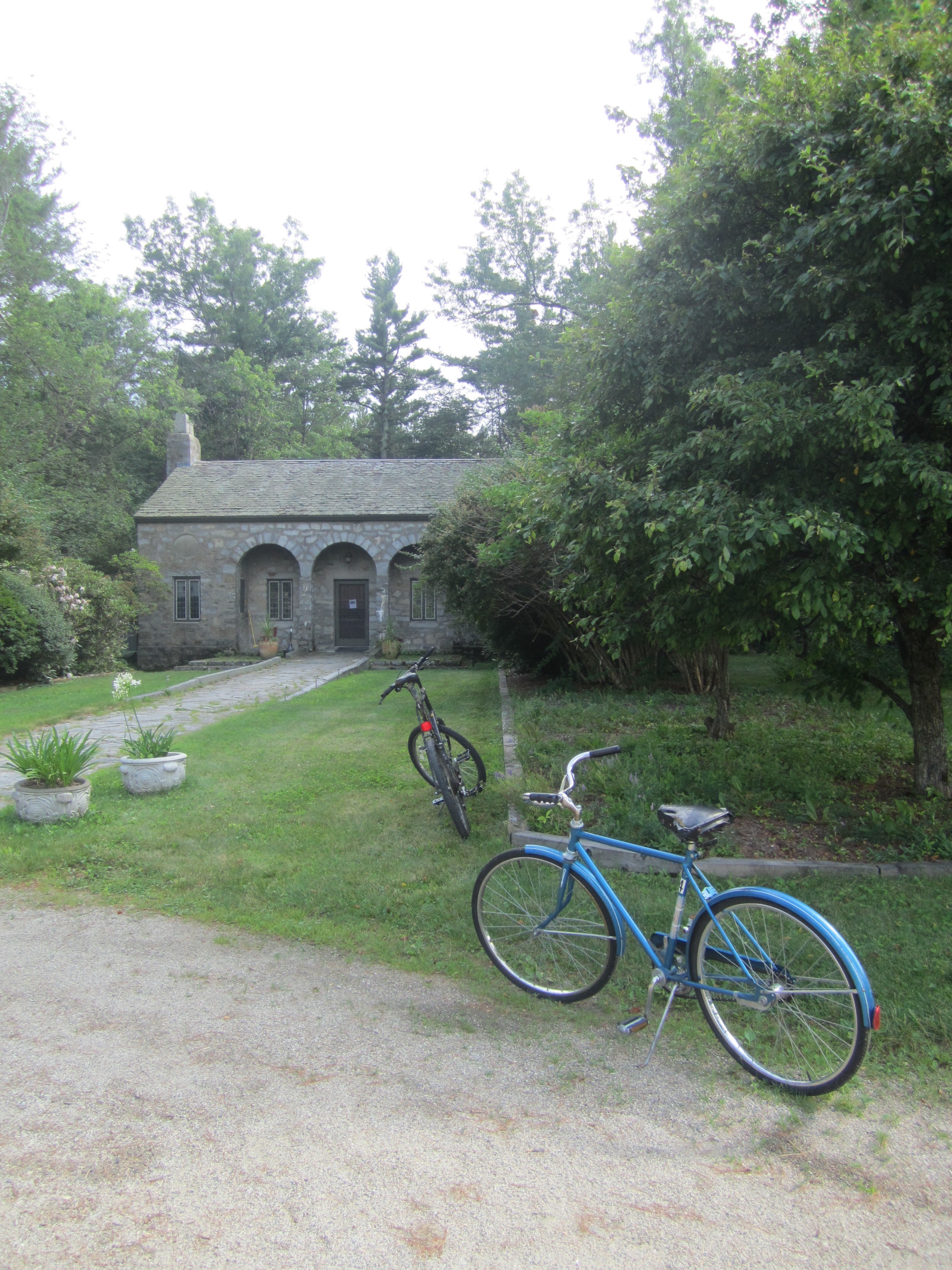
The main building at the MacDowell Colony

Far into the wilds of southwestern New Hampshire, down a back road shadowed by pine trees, is the MacDowell Colony. It is an artists’ residency that is over 100 years old tucked away in the small town of Peterborough. It was founded by composer Edward MacDowell and his wife Marion, a pianist, who bought a farm there in 1896. Edward felt he created his best work in on the farm and when he passed away Marion championed the idea of giving artists a chance to thrive in the same environment he found so inspiring.

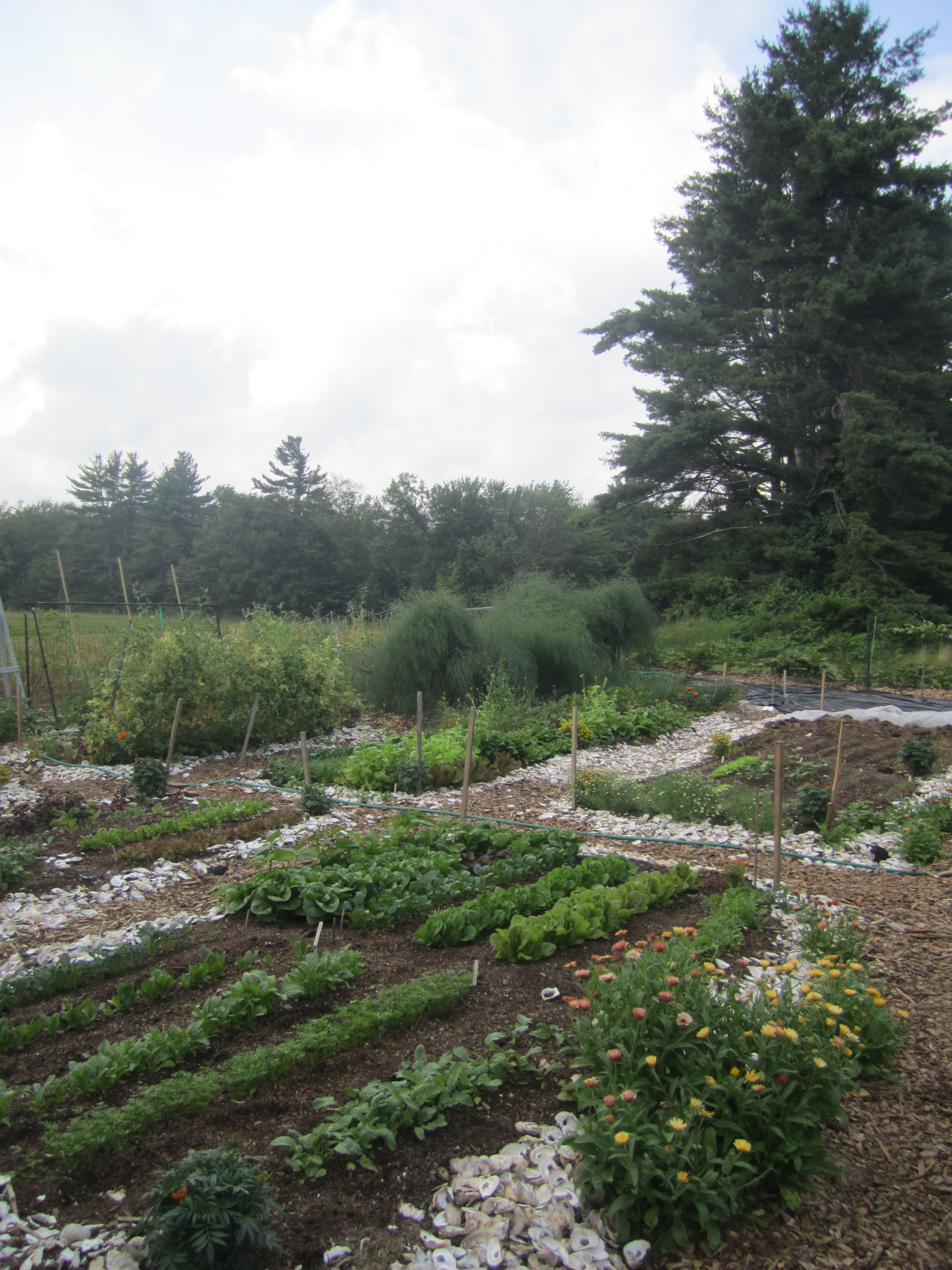
Kitchen garden at MacDowell

MacDowell Chickens

The MacDowell Colony invites artists from all disciplines to take part in a residency where they work in a community with their peers. Artistic excellence is the only standard for acceptance and all room, board and tuition is covered.

Inside the library at MacDowell

Entering the grounds of MacDowell feels stepping into a unique microcosm of society. Each resident is given a bike to use to travel around the campus to their studio, residence and the library. There are regular talks and presentations. The food is locally produced, much of it grown on the MacDowell campus. A local sheep herder brings their sheep to graze on the fields of the colony during the day.

Residents' wine bottles in the dining room

I also admired MacDowell’s openness and interaction with the local community in Peterborough and Southwestern New Hampshire. They regularly host lectures, presentations, screenings, and performances that are open to the public both on the campus and in downtown Peterborough, a super cute New England village if I’ve ever seen one (and I’ve seen a lot!). The Resident Director David Macy is very involved in making Southwestern New Hampshire a culturally vibrant place and is involved in town and regional planning organizations. I think this speaks volumes to the strength and history of the colony and how it is not just an isolated place for artists to perfect their craft, but a dynamic organization that helps serve as a cultural anchor for the region.

I have a secret dream to move back to Maine and start an artists residency and organic restaurant on my parents’ farm. David’s involvement in cultural development in Southwestern New Hampshire helped me see that my vision could also combine my interest in city planning and public policy and that a pastoral artists residency can also be a responsible community member.

Reluctant Reflections Ten Years Later

Heaven's garden (wishing all peace this weekend)

Islamic tile work representing heaven as a garden at the Brooklyn Museum

I’d prefer not to say anything about today. Earlier this week I filled out the New York Time’s interactive map pinpointing where I was on September 11, 2001 (17 Union Square West in my freshman college dorm) and my reflections 10 years on. I chose “unmoved.” I’m not unmoved in that I don’t feel empathy for those who lost friends and loved ones that day. At the most basic, I wish that today didn’t become a big patriotic hullabaloo. I upsets me that it’s just another chance to put our hands over our hearts and say “God Bless America,” and forget about the rest of the world. I’m tired of how this day was turned into an excuse for war, a grab for power, a justification for racism, and a suppression of human rights and civil liberties in the United States and abroad.

Ten years ago I had arrived in New York an idealistic, moody activist  ready for her freshman year at a liberal arts college and ready to fall in love with New York (or at least give the city a chance). September 11th didn’t change that, but it changed my focus. Before the struggle against globalization and the need to undo the injustices of colonialism seemed abstract. September 11th brought them into focus and made me think about the consequences of centuries of oppression. It also made some struggles and concerns pale in comparison.

Lower Manhattan, Early September, 2001

Maybe it’s because I was in Union Square on that morning and I looked downtown and saw the smoke and heard the sirens (and breathed that scorched , chemical laden air for weeks afterwards), and remember the collective gasp that went up when the towers collapsed, but I always felt that September 11th was a tragedy centered in New York.

Ever since that morning I’ve also been both proud of certain responses in this city and ashamed of others. I remember drawing on sidewalks with chalk the night of September 11th 2001, writing, “An eye for an eye makes the world blind.” I remember the huge memorials of candles set up in Union Square. I remember clearly rallies every Saturday at the Metropolitan Detention Center in Sunset Park, Brooklyn (my neighborhood) to demand the release of immigrants detained after 9/11 that were held for months without trial. At the same time, New Yorkers raised huge opposition to bombing Afghanistan and later Iraq.  Most people were speaking out against racism, even while immigration authorities were acting on it. I think the New York Time’s op-ed said it best in the piece What New York Didn’t Loose After 9/11. The larger impulse was towards helping those impacted by the tragedy, not towards revenge, but towards community, openness, and reflection. This is a stalwart city, tough, but one that stands up for its own and (in the best of cases) doesn’t discriminate between who is and who is not a New Yorker.

Lower Manhattan, November, 2001

September 11th made me determined to love this city and stick with it through all of the challenges it posed. Ten years later here I am. Today is not one for ceremonies and listening to those in power, and it looks like I’m not alone in this. Today is time for enjoying the life I’ve built here piece by piece, despite the tragedy, despite eight years of the worst president this country has ever known, and despite my own personal roadblocks and frustrations. One of the comments on the New York Times’ map called the past ten years “a lost decade.” I disagree. This decade has been hugely significant to me personally. I went from a teenager to an adult, I struggled, I built my life, and I spoke up, even with such dreary politics and global realities as a backdrop. Today I’ll have brunch with friends, ride my bike along the waterfront and maybe drink a beer brewed right here in Brooklyn. Here’s to you, New York! To your diversity, acceptance, your resilience, and to the people of this city and the world!

Blogs a la mode

Rock'N'Girl by Stephanie Rousseau, Byglam.fr. Used with permission.

Et hop, mes amies, c’est la rentrée! It’s the time of year when we hunker down, get back to work, and put our flip flops and bathing suits away until next season. It’s not all sad though, because la rentrée also brings cooler weather, crisp days, new fashions, and renewed energy for all of our projects. In that spirit, I wanted to share with you some of my favorite blogs that are sure to provide you with some good fashion tips for fall styles (and all year round) as well as reflections on summer travels, crafts, art and life in general. These are not all the blogs I read, bien sûr que non, but the ones I find myself returning to the most often. As a note, many of these blogs are in French, but they also offer you the option to read in English. Bonne lecture, mes amies!

By Glam  Stephanie is a talented illustrator (she did the drawing that opened this post) and has incredible taste in clothes, shoes and make up. She is perfectly glamorous while understanding that she, and most of her readers, have a budget to respect. Stephanie also documents her travels around Paris, its small streets, shop windows, and sunsets and provides fantastic fashion, design and pop culture commentary.

Cachemire et Soie  Anne-So’s writing reminds of some of the best personal zines I used to read. Lyrical, emotional-yet-spare reflections on travels near and far and some of the quieter moments that make up the fabric of our lives. She takes beautiful photos and a keen eye for detail, plus a great eye for style.

Garance Doré  One of the best known French fashion blogs from a globetrotting photographer and illustrator now living in New York. I love this blog for its street style, inside look at the fashion world, and Garance’s personal reflections.

Dandy Prof  Fashionable life on the tenure track from a newly minted professor negotiating queer sensibilities, sociology and gender studies while wearing a skirt and tie. The Dandy Prof was also my style consultant for many years and prevented me from exiting the apartment looking *too* crazy. I’m really sad she doesn’t live in NYC anymore and I can’t borrow her clothes.

Jesse Anne O Another south Brooklyner who loves thrift stores, vegan cooking and fashion, handmade and vintage clothes. Like me, she shares a riot grrrl past!

Fashion is a Playground  Dreamy photos of a very stylish lady in Parisian and greater-France landscapes, with some travels further afield.

No Good for Me  A fashion mix tape that indulges fashion, beauty, music and pop culture as guilty and necessary pleasures. Also powered by former zinesters!

The Dandy Prof shows off casual academic style

Here are some of my other top blog picks (in no particular order):

Eleonore Bridge

The Cherry Blossom Girl

Deedee

Punky B The Fashion Diary

Play It Like a Girl

Lili Brunette

Slanelle Style

Stop By the Corner

Coco Cerise

Verte Cerise

Kriss

Le Blog de Betty

Fashion for Writers

Money Smart Fashion

What are the blogs you like to look at for fashion and lifestyle inspiration?

The Art of the Novella

Lunchtime literary shopping

Chock it up to good marketing. Before I even knew about the independent publisher Melville House I admired my friend SG’s “I would prefer not to” tote bag. Black, white, literary, emblazoned with the iconic line from Herman Melville’s novella Bartleby the Scrivener. When I started working in DUMBO, Brooklyn I rounded the corner of my building and saw those same totes hanging in the window of a light, airy bookstore. Intrigued, I went in.

Melville House puts out a range of books that are necessary, even if major publishers don’t think that they are. They publish books in translation that are best sellers in other countries, but that most Americans have never heard of.  They publish cultural criticism that’s too political for major publishers. The tote bag advertises a series called the “Art of the Novella,” which strives to bring attention to this often neglected and maligned form of literature.

This August a reader and novella fan proposed a challenge: he would try to read all 42 books in Art of the Novella series in August. In another smart marketing move Melville House invited other readers to do the same (I believe three novellas was the minimum for participation) and to tweet and blog about it.

Excited to participate I walked around the corner from work and picked up some attractive little volumes, all nicely bound with a solid color on the front in matte stock (the contemporary novellas have glossy stock) and nice “french folds” on the inside. You feel classy just carrying one in your bag! I also liked the project because it gave me a chance to try out some classic authors that I’ve heard about, and should have read, but have some how managed to avoid over the course of my reading history. I pictured myself stretched out on the beach, reading a novella, and being literary. Of course, it didn’t work out this way and I had a very busy August with less reading than planned.

August reading #artofthenovella

Here’s what I did read:

A Simple Heart Gustave Flaubert—the story of a simple country maid in search of love who finds companionship (and religious obsession) in a parrot. It’s seen as an early example of Flaubert’s realism. I thought it both empathized with and created a caricature of the hardworking, but ignorant because of her circumstances, rural peasant. Its commentary on the class divide in 19th century France is clear. I understand how ground breaking it may have been on the time to feature such “common people” in literature, but it does come off as a little trite.

The Lemoine Affair Marcel Proust—this novella was originally published serially in a newspaper and the last few sections were published posthumously. In it Proust immitates the styles of different prominent French writers to descibe the political innerworkings, intrigue and fallout caused by a minor scandal where a merchant claimed he could make diamonds out of coal. I suppose if I knew 19th century French literature better I would have found it more amusing.

The Lifted Veil George Eliot—My favorite of the classics that I picked. While I think Eliot’s characterizing the main woman character as shallow and heartless behind an intriguing exterior is a little tired, I like the psychological nature of this story. It really kept me on eggshells and I think it was the only one of my classic selections where I wanted to keep reading to the end, instead of just being motivated to finish because the novella was, well, short.

Lucinella Lore Segal—I don’t know if I was cheating with this one because it’s from the Contemporary Art of the Novella series, but this was by far my favorite. Released in the 1970’s this slim volume lampoons the New York literary scene (and the artist colony Yaddo) with rollicking wit. It is told by a poet and social climber, who may also be talented and is certainly obsessive in the way writers can be, Lucinella.  The tone and voice of this novella reminds me a lot of one of my other favorite narrators: Sally J. Gorce in The Dud Avocado. It also is a reminder of how difficult it was, and remains, to be a sassy, weirdo woman artist or writer in the 60’s and 70’s. And 80’s, and 90’s and today. The book takes a turn towards the weirdly sublime in the end, which would not be how I would write the ending, but I stayed along for the ride and it was fun.

So what’s my takeaway from my month of reading not as many novellas as planned? Mostly that my reading tastes are thoroughly rooted in the “modern” and “post-modern”—basically 1920 and forward. There are plenty of novellas from Melville House’s series in this category, such as The Awakening, Jacob’s Room, and Country of the Pointed Firs (lovely book about Maine!), but I’d already read them! This is not a hard and fast rule, but generally the pre-modern literature (which laid the ground work, I know, I know) of the 19th century feels so stuffy to me, and so staid compared with what came next. It’s kind of like comparing the Barbizon school with Cubism in art history, you know? Oh, did I just loose half my readership with that pretentious reference? Dude, whatever, reading is cool and I can’t wait to check out Melville House’s other releases! And bro, hey, I got a rad tote bag.

Here is New York After 10 Years

Brownstone Home

Photo in front of my old apartment taken by Leila Bergougnoux in the fall of 2007.

These scrubbed clean, clear blue skies of late summer and early fall remind me that I moved to New York City ten years ago this week. It’s been quite a decade for New York City and for me personally.  I moved here reluctantly to attend college after a dreamy year spent living in Portland, Oregon, working very little and indulging in my creative projects and wallowing in what remained of my teen angst. After growing up in Maine I was dead-set against going to college on a quaint campus and tired of small town life in general. On visits throughout high school to New York City I feel in love. It had it all: art, culture, fashion, food and excitement. It was the polar opposite of where I came from. “Who needs trees?” I said, “The nature in the parks will suit me just fine.”

Rigging and Manhattan

New York has not ceased to amaze and surprise me, but moving here was not an easy transition. I got sick immediately from the polluted air, the noise from the construction outside of my window seemed to bore into my skull, and then September 11th happened. The events of that day and what followed completely reshaped what I expected from the city, academic, activism, and work. I really can’t talk about 10 years in New York without talking about September 11th and all that came after, but this post really isn’t about September 11th. Let’s suffice it to say this morning the public radio station replayed reporting from that morning and I had to sit down and cry.

I didn’t think I would stay in New York very long after graduation. I decided that I would give it two years after I got my diploma, but when I started working in museums and arts organizations I kept pushing that timeline back, until finally I gave up and decided to stay here. I felt like my friendships and the adult life I’ve been able to construct were too hard won to walk away from. I’ve lived in Sunset Park, Brooklyn since 2002 and slowly the borough worked its charms on me and I feel like it’s an important part of my identity. I also discovered another great thing about New York: its proximity to Europe. Flights to Europe from New York are plentiful and can be cheap if you know how to search.

If Paris is France...

But looking back over these past ten years I’ve wrote a lot about New York and I wanted to share a little bit of those thoughts to chart how my relationship to the city has changed and evolved.

“You always choose the most challenging position you can think of!” my mother chided me when I moved to New York City to go to college.  “Of course you picked the biggest, toughest, most of expensive city in the US, you couldn’t imagine less!” she reminded me when I lamented how difficult my new NYC life was.  And it was difficult.

In October of 2002 I wrote, “New York is bad posture and holding my breath. Too many aches and tight, sore shoulders and no one to work them out.”

At the brink of the (still ongoing) war against Iraq in 2003 I wrote, “I need to write something about how it feels to be in New York right now – the subway stations full of national guard, machine guns ready. How is it constricting my thoughts and hopes and playing on my fear?”

But the city still entranced me, “For me the magic of New York isn’t in Manhattan, it’s in the strange faraway feeling places in the outer boroughs that you can still take the subway train to. A collision of urban and beach, crashing waves and a $5 ride on the Wonder Wheel. Vacant lots in gentrified neighborhoods, cracking streets, rusting hunks of abandoned junk, weeds in the middle of poshness. It shows the gaps in the idea of glittery concrete and steel and shows that cities have a force that cannot be regulated.”

Rockaway Beach

Rockaway Beach

Full of Brooklyn pride, I wrote a love letter to Brooklyn for the last issue of my zine Indulgence, which I put out in 2008. “If Brooklyn were not attached to the rest of New York it would still be among the largest cities in the United States.  I’ve been living here for six years. That doesn’t make me a local, but it means I have grown to appreciate my borough through all my early-to mid-to late twenties ups and downs. Brooklyn is my immediate reality and my basis of comparison. Brooklyn feels at times just as much like a small town, an industrial landscape, and even, suburban.”

NYC Rainbow

NYC Rainbow, Fall 2007

I think it is E.B. White who describes New York best, so I’m going to leave you with his words. My mother gave me Here is New York for Christmas after I’d been living here for 4 years. I was struck by how this little book, written about New York in the Forites, captures the New York I experience every day.

The opening: “There are roughly three New Yorks. There is, first, the New York of the man or woman who was born there, who takes the city for granted and accepts its size, its turbulence as natural and inevitable. Second, there is the New York of the commuter–the city that is devoured by locusts each day and spat out each night. Third, there is New York of the person who was born somewhere else and came to New York in quest of something. Of these trembling cities the greatest is the last–the city of final destination, the city that is a goal. It is this third city that accounts for New York’s high strung disposition, its poetical deportment, its dedication to the arts, and its incomparable achievements.”

Brooklyn and Manhattan Bridges

And the closing:

“The city, for the first time in its long history, is destructible. A single flight of planes no bigger than a wedge of geese can quickly end this island fantasy, burn the towers, crumble the bridges, turn the underground passages into lethal chambers, cremate the millions. The intimation of mortality is part of New York now; in the sounds of jets overhead, in the black headlines of the latest editions.

All dwellers in cities must live with the stubborn fact of annihilation; in New York the fact is somewhat more concentrated because of the concentration of the city itself, and because, of all targets, New York has a certain clear priority. In the mind of whatever perverted dreamer might loose the lightning, New York must hold a steady, irresistible charm.”

Thank you, Mr. White. And here’s to another ten years.

Celebrating the end of our Brooklyn Museum internship in 2006 in the Brooklyn Botanic Garden