Creative Money Maker: Barter Better

What does bartering have to do with creative money management? Over the past few columns I’ve talked a lot about value: valuing yourself, your time, and the work that you make.

Bartering and trading is a way to recognize the value of the work you and others make and exchange that value in a way that is mutually beneficial. To simplify further: bartering is a way to add value to your project or business without exchanging money.

Bartering is great if you have high quality skills or goods to offer, but don’t have a lot of cash on hand. The key to successful bartering is to ensure that what you are offering and what you are receiving are of equal value to each party involved.

For example, when I was regularly publishing a zine I would always offer my zines for trade to other zinesters. I would trade my hand stitched zine with hand printed covers for zines that were just a few photocopied pages because for me personally that the value of a self-made publication based on passion and artistic vision was equal. In addition, it was also important to me to get my zine into the hands of as many readers as possible and build relationships with other zine publishers.

Trading zines at the Portland Zine Symposium 2009. Photo from Last Hours

Just like pricing your work or your time, bartering well is a skill that you can develop. I asked Tim and Shana, the founders of the Punk Rope fitness program, about guidelines for bartering, which they have used to to build and expand their business.

Tips for successful bartering

From Tim Haft and Shana Brady of Punk Rope

  • Set realistic expectation what you can offer and what its worth
  • Be specific as possible on your terms
  • Be prepared for negotiation
  • Be careful when bartering with friends and mixing business and social relationships
  • Identify people who have the skills that you need. Go to the true experts
  • Examine the motivation of the person offering to barter
  • Avoid one-sided arrangements that only benefit one party

Bartering is still a transaction, even though no money is changing hands. When entering into a barter agreement be very clear when you are trading goods and skills and when you are asking for, or offering, a gift to a friend or colleague.  If you are trading be sure to make an agreement about what you are offering, what you will receive, and when you expect to deliver on your promises in writing. While it may seem overly formal at first, having an agreement in writing will help clarify an agreement should questions or complications arise.

Shana - Double Unders

Shana Brady of Punk Rope competing in double unders in the Punk Rope games

You have control over what you offer in trade. You don’t want to lose money when bartering. If there’s something you make you can’t afford to give away, even for something of equal value, brainstorm about what else you can offer. For example, if you can’t afford to give away your handmade blank books, maybe instead you could offer book binding classes or design advice?

Bartering is a great way to build knowledge and goodwill about your project. You may find you get more out of it then the monetary value of what you received or offered in trade.

If you are curious about more models for bartering check out Trade School, an alternative, self-organized school that runs on barter and offers classes all over the world.

Overall, bartering is a creative way to build the value of your project and is another important tool in the creative money maker tool belt.

What are some successful examples of bartering you have experienced?

What are your guidelines for bartering?
Creative Money Maker: Profit at What Price?

Do you make something that you love? If so, how much is it worth to you?

Last column I introduced the concept of value when it comes to paying yourself for your time and expertise. In this installment of the Creative Money Maker we are going to continue the conversation about value as it relates to setting prices for the products that you make.

Earning income from selling a product is what we most often thing of as “making money.” Just like the rest of your budget, you want to plan carefully for earned income.

This column will help you avoid two of the biggest pitfalls creative people make when pricing their work: under pricing their work because they under value themselves and over estimating how much they will make from sales because they don’t know their market.

Antonio Ramos from Brooklyn Soda Works explained to me that, “It is difficult to change the price once you start your project. When pricing factor in the following: What does it cost to make? How long does it take to make it?  What profit can you make from your product at a price people will pay without compromising the essential nature of your project?”

Similar to paying yourself for your time, there is no specific formula to determine the price for your work. When you assign a price you assign a value to your work. When you set out to do so, it is important to have a sense of how valuable you want your item to seem to your customers.  Here are a few basic guidelines to help you set a price:

  • Know how much the raw materials to make your item cost. You want to be sure these costs are covered
  • Does your item include rare or expensive materials or a process which demands unique skills to create that would make your price higher?
  • How much time does it take to make your item?  You price should cover this time, including the time it took to create and refine the idea. For example, for a band this would include writing and rehearsal of a song
  • Know the standard price for your object or event – how much do other items like yours sell for?
  • How much are your customers willing to pay? How little would make them think it is too cheap and not worth their time?
  • How valuable is your item? Pricing and money is about assigning a value, so you want to make sure you don’t under value your creation or yourself
  • Refer to pricing guides for your specific disciplines, such as crafts, visual arts, graphic arts, music, and edible goods. There’s rarely a specific formula, but depending on the discipline their may be industry wide standards

For an example of adding value to the product you produce:  In the early 2000s the going rate for a zine was one or two dollars, no matter how many pages it had. When I incorporated art papers, letterpress printing and hand binding into my zines I decided to break from tradition and charge five dollars for them. I was worried I would receive criticism for how “expensive” my zine had become, but the exact opposite happened! Those who picked up my zine valued the time, effort and care I had put into it and people still tell me they have kept them and cherish them as art objects.

Hand printed covers for the last issue of my zine Indulgence

Once you have gotten a sense how much it takes you to make your item and how much you want to charge, it’s time to get out a pencil and paper and determine your total cost to produce one item, the wholesale price and the retail price.

Pricing terminology:

Total cost to produce your item: this is the basic cost of materials, labor and time it takes for you to make one item. This should not be your price, but you should know how much each item takes to produce.

Wholesale price: This is the price to which you offer your product to retailers. You will be offering your items to retailers at a “markup” price on your base cost. The markup should cover your overhead, such as your studio space and your tools. There’s no hard and fast formula for determining the wholesale price, but it can range between 100 and 300 percent of the total cost, depending on the kind of product you are offering.

Retail price: This is the price you suggest to retailers to sell your item. This can be twice or even three times the wholesale price. Remember, retailers take a percentage of the sale of your item to cover their costs. When you are selling your item yourself, such as through a website or in person, you should offer it at the resale price. You don’t want to undersell yourself or the retailers that are carrying your work!

It may surprise you to hear there are no specific formulas for assigning a value to your work, but take your time to research price strategies for your specific field. The most important aspects of pricing are that you need to feel confident in your prices and that your customers need to feel they are receiving something valuable to them at a price that feels good.

The Creative Money Maker was developed in collaboration with the DIY Business Association.

Springtime Farm Wedding

While I am still in France, when I come home I will go directly upstate to Liberty View Farm to celebrate a wedding. It is the same farm we visited earlier this spring for another lovely celebration. This spring was the definitive kick off of wedding season for us. For the record, we are not getting married, but our friends sure are! Our refrigerator door currently has six wedding announcements for this year alone!

The best part of it is, though, that we are looking forward to all of them and each celebration will be unique and reflective of our friends who are getting married. That was especially true in late May when we piled into a rental car with a bunch of friends and headed upstate to the aforementioned Liberty View Farm for the marriage of R. and S.

Liberty View Farm is not far from Poughkeepsie and New Paltz, but sits nestled in a valley surrounded by apple orchards, making it feel serene and otherworldly. It is a working farm that grows apples, eggs and edible landscapes and also hosts weddings and events in a down home, relaxed environment that feels personal, elegant and comfortable.

I admit I’m a little short on ideas when it comes to new outfits for farm weddings, but I think this gingham and lace dress that I bought from Brooklyn Industries for a farm wedding last year does pretty well, don’t you? And besides, it matches the beehives!

Dress: Brooklyn Industries, Bag: Nolita by Les Composantes, Tights: American Apparel, Shoes: Robert Clergerie

Sunset among the apple orchards

Simple French Travel Style

Parisian summer twilight, 2006

Everyone, I am so excited! Today I depart for mon voyage des reves to France for two and a half weeks! My trip is taking me to Paris and Provence, as well as Gent (in Belgium), Metz and Lille. I’m impatient to see new and old friends, eat lots of wonderful food, and spend my time walking around and taking in the sights I love and discovering new places that I will return to in the future. This blog will be pretty quiet during that time, though you can expect another Creative Money Maker and a few other posts. When I’m able to find Wi-fi I will updates Twitter and Instagram, and I will try to post some of those shots here as well.

Those of you who travel know that preparation and anticipation is part of the journey. I spent months planning the outfits that I would take to France. I knew I would need layers, because I’m going to be in both the north and south, and the summer weather there either seems to feel like November or a canicule. I also know I will be walking a lot, so I’ve left all my four inch platforms at home. When I travel I favor clothing made out of basic fibers like cotton with solid, neutral colors over anything too fancy. In addition, I never check a bag, so all of my clothes have to be adaptable and easily washable. Here’s a sneak peek at my travel style:

Pour Paris

Paris from the Tour Eiffel, taken in 2006

J Crew tank top, American Apparel skirt, Sam Edelman sandals (this outfit is being optimistic for summer weather in Paris)

Simple, big city style is what I have in mind. Casual and elegant – a look that can go from morning to evening.

Pour Provence

Roussillon, in Vaucluse region of Provence, taken in 2008

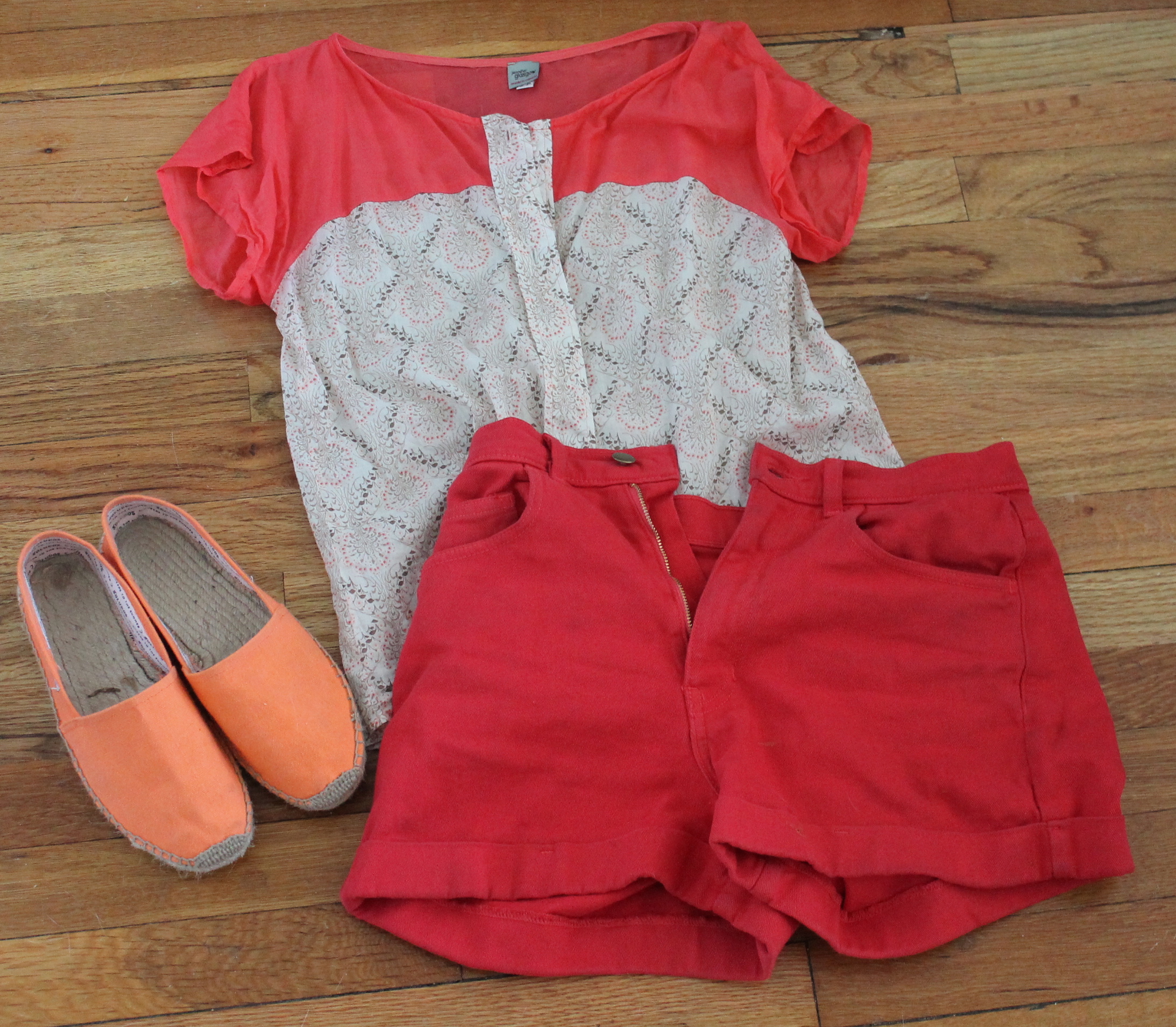
Jennifer Glasgow blouse, American Apparel shorts, Saludos espadrilles

Warm tones, bright sun, old stone houses and the mistral were in mind when I picked out this outfit.

Pour la plage et la piscine

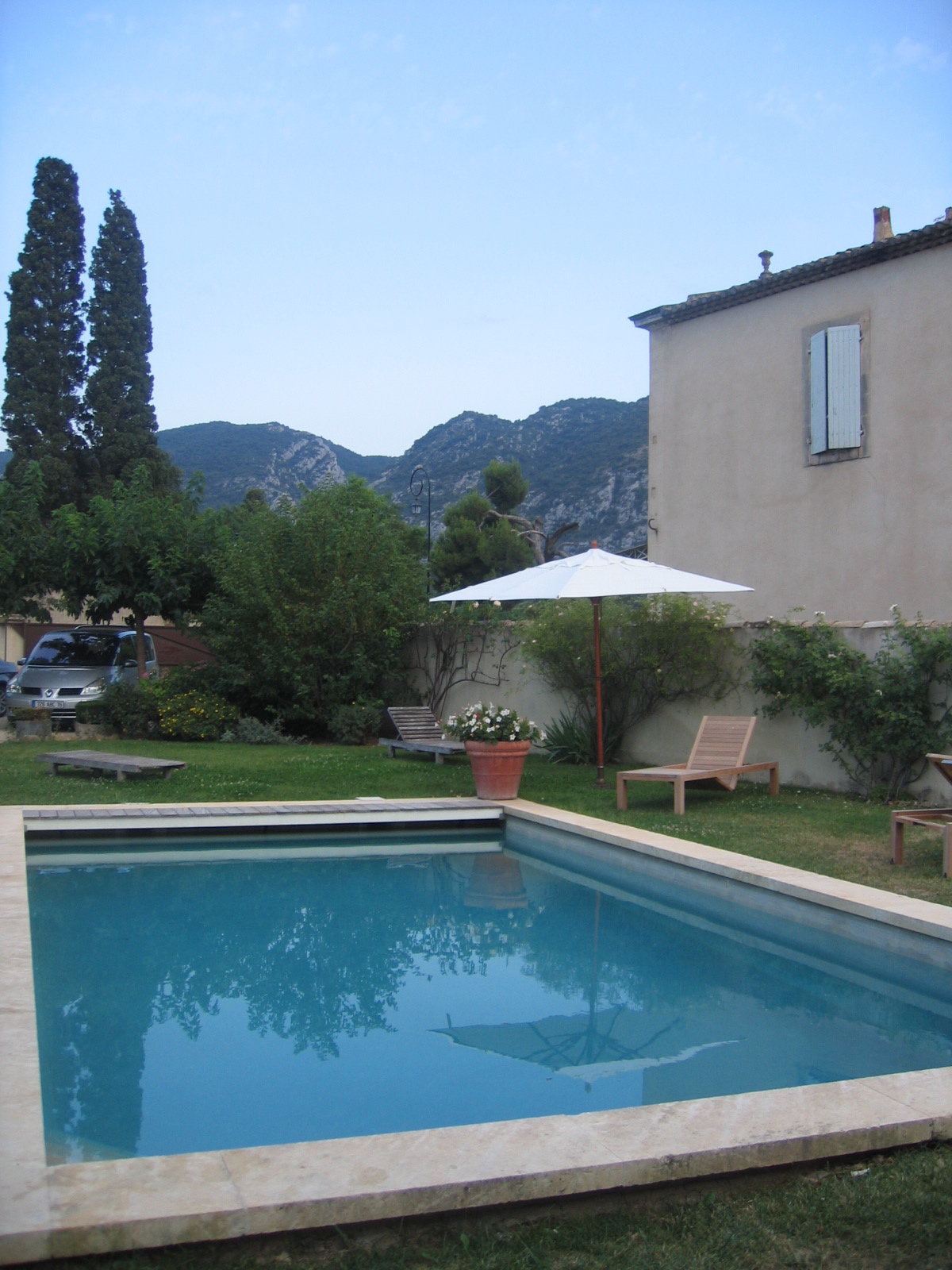
Pool at the Provence vacation rental, 2008

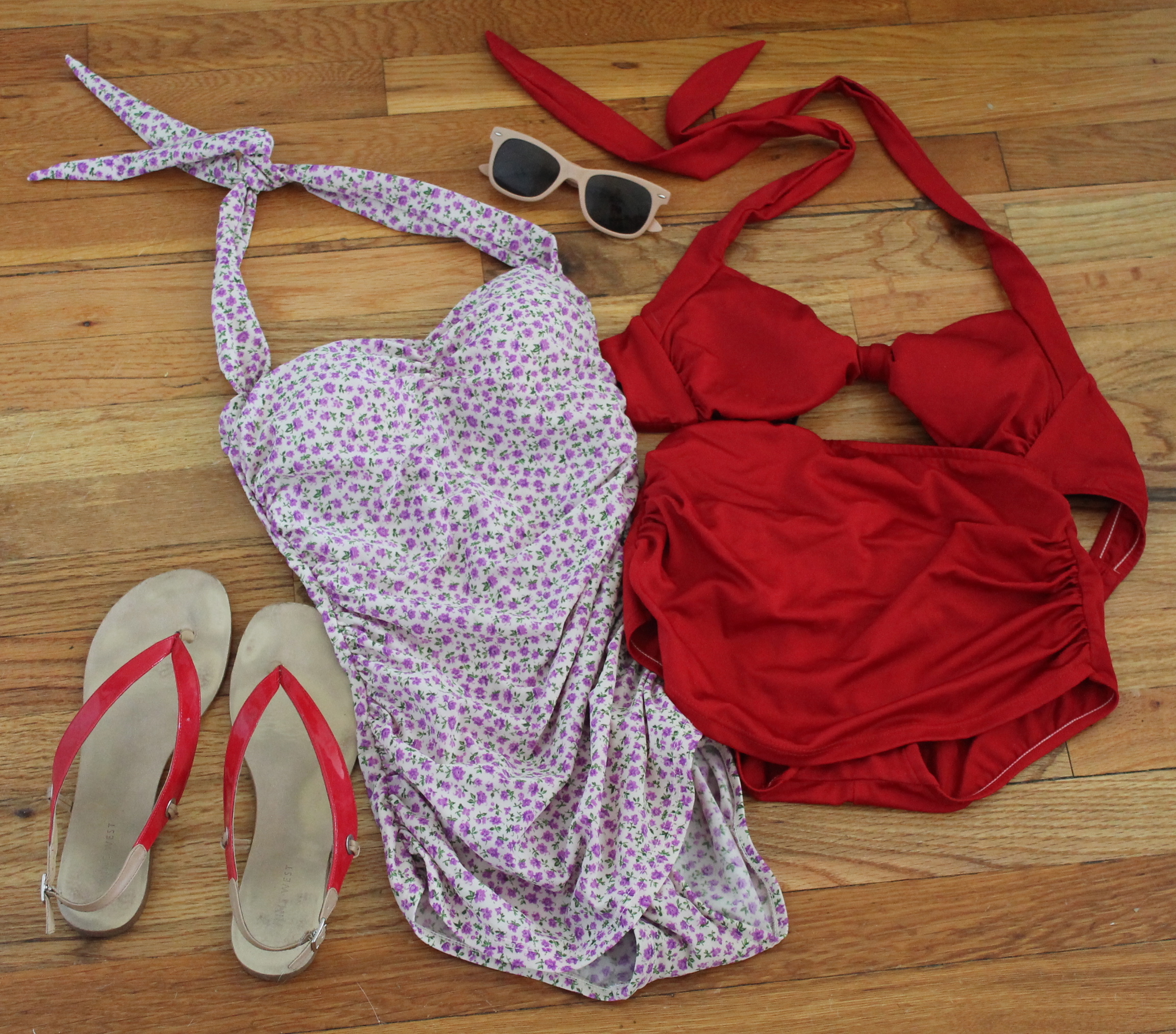
Esther Williams swimwear bathing suits, Nine West sandals

Flattering, retro-styled swimwear to while away the sunny days in style.

Pour l’avion

Departing Keflavik

I’ll be flying Iceland Air and get to pass through a place I want to return!

Mavi slim jeans, J crew shirt, Converse sneakers, and a generic linen scarf

I always freeze on the airplane. I always wonder about those who are able to wear flip-flops while flying – every appendage of mine feels like an ice cub when in the air, so I have to layer up. In addition, this time I have to change planes in Reykjavik, so I know I’ll need to be able to walk quickly, as well as wear an outfit comfortable enough to try to nap.

Pour partout

Rooftops

Photo taken with the Digital Harinezumi

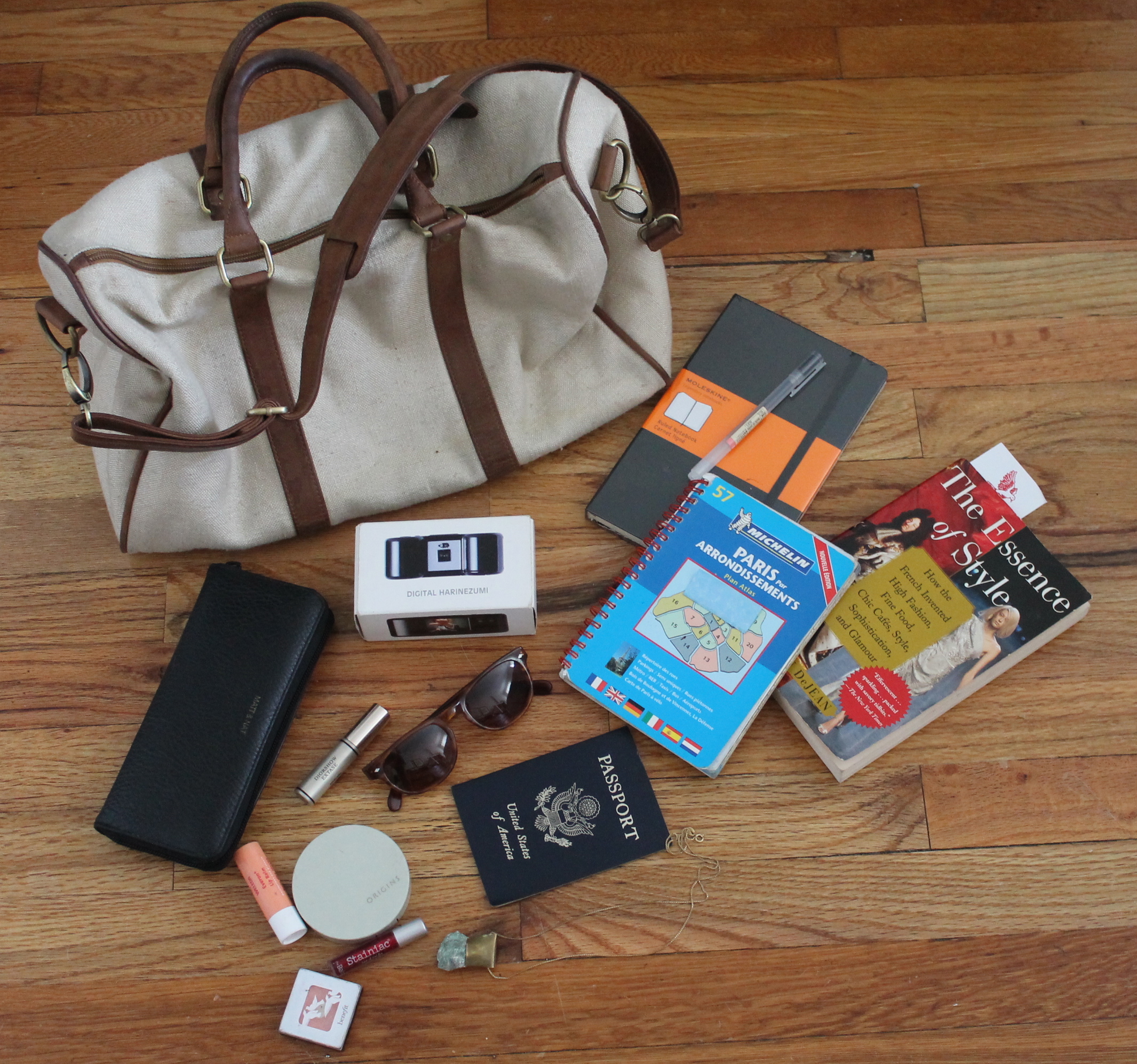
Nola bag by Les Composantes, Moleskine notebook, Muji pen, Plan de Paris par arrondisement, Matt & Nat wallet, Jimmy Fairly sunglasses, Origins “Silkscreen” pressed powder, Benefit “Nice Melons” eye shadow, Dior mascara, Staniac lip stain, digital Harinezumi camera by Power Shovel, Weleda lip blam and my favorite necklace. Not shown: my Canon DSLR, an essential!

I’m bringing very few extras. I only packed two books in English because my favorite activity in France is buying the newspaper, magazines and novels. aI like to keep my makeup and accessories even more minimal than usual when I travel. I’m not packing nail polish or lipstick because I hope to acquire some of the French Essie nail polish while I’m there as well as Bourjois lip and eye makeup. Nothing fancy, just basic French things that I love.

What do you pack when you travel?

Creative Money Maker: Value Yourself? Then Pay Yourself!

 Like any creative project, the Creative Money Maker pivoted. I have been incredibly lucky to develop and launch this column with the DIY Business Association. While the DIY BA takes a pause on developing new content, I decided to continue the Creative Money Maker here because got such a great response to it and have so much fun writing it. Join me every other Tuesday right here for more financial advice that feels good! 

You know the old adage “time is money.”  Guess what? It applies to creative people whose work is driven by passion and as well as profit.

When you create a project budget it is important to include a line item for paying yourself, even though you may not anticipate making any money from your project at first. Your budget is a plan for a time when your project is profitable and compensating yourself is a key element. Remember, your budget tells the story of your project in numbers, and you are important part of that story!

Compensation is about the value you put on your time, experience and expertise. “Value” is an intangible concept, but here are factors to consider before determining your fee or hourly rate:

  • Have the confidence to know that your time is worth money
  • Clarify what skills and tasks the project requires
  • Consider your experience and expertise. Do you have a perspective or level of experience that is not common for your field?
  • If creating a budget for a client, consider the value your project brings to your client’s life

Once you have a clear idea about the criteria above consider whether to calculate your fee on a time basis, a project basis, or a package basis.

Time-based is how much you charge per hour for your services. This helpful when you offer services such as consulting, administrative or technical support.

Project-based is a price based for an entire project that has a concrete end point.  When pricing based on a project you want to calculate about how many hours it will take, what the project requires of you, how much the client values the project, and your overhead such as the tools and space you use to create the project.

Package-based is similar to project-based pricing, but it puts more conditions around a project. You offer a certain amount of time or number of consultations for a flat-fee and, if your client demands more changes or wants additional services, you can charge by the hour or an agreed-upon additional fee.

There are no hard and fast formulas for determining how much to charge hourly or for project-based prices. Musician Greta Gertler, who also runs the PR agency Goldfish Prize, shared her simple strategy for pricing her time, which she uses as a baseline to determine her hourly and project-based fees.

Simple pricing strategy:

  • Determine your overhead costs such as tools, software, studio rent, insurance, taxes, as well as living expenses for the year, month and week
  • Determine how many hours a week you want to work
  • Divide to get with your starting number for your hourly rate

Greta Gertler in her band The Universal Thump. Photo by Carol Lipnik.

For example, if my expenses are $2,000 a month and I want to work 30 hours a week I will divide $2000 by 4 (for 4 weeks in the month) and get $500 per week. Then I divide this by 30 to get about $17 an hour. I will have to work at least 30 billable hours each week and charge at least $17 to cover my expenses.

If you are making a budget for a client remember they are only paying you for the time you spend on their project. Thus your “billable” time should cover your expenses incurred during “non-billable” hours. Therefore, I may determine that I will work about 15 hours a week on my clients’ specific projects, so I could raise my rate to $30 an hour to cover those expenses.

Before deciding on your fee find out the going rates for your field. Project fees and hourly rates will be in a range, and you want to know where you stand. Reach out to the professional associations that provide guidelines for pricing your work within your discipline. Talk to other professionals and those who hire creatives about how they determine their fees. For those of you who are selling goods, next time we’ll talk about pricing the creative products you produce.

You have skills, creativity and expertise to offer to your potential clients, your project, and yourself.  You must value yourself first before expecting anyone else to do so and planning to pay yourself fairly sends a message to the world that you are valuable. As a creative person educate yourself and your community members about your worth.

How do you determine your fees?

What challenges do you encounter when it comes to paying yourself?

What does value mean to you?

For the first three installments of the Creative Money Maker please visit the DIY Business Association’s website here.

A few more from the games…

The punkest photo of me that has ever been taken. By Tomer Grassiany

I know, the Punk Rope Games were already a few weeks ago, and now we’re on to the Tour de France as our sporting event obsession. However, these two photos from the Punk Rope Games by Tomer Grassiany were too good not to share!

During the agility jump. By Tomer Grassiany

Punk Rope Games Recap

Team Henri the Depressed French Cat: Peter, Me, Marisha and Brian

For the first time since I was sixteen and used to compete in horse shows, I got up early on a Sunday morning for a sporting event. The event was the fourth annual Punk Rope Games, where teams of punk ropers competed in events like the chicken toss relay, as well as more “traditional” jump rope events, in addition to performing a fight song to show off their skills.

Gang of Genghis Khan conquer the doubles jump

I love punk rope because it combines fitness drills with serious fun, absurdity, music and team spirit. Tim and Shana, who run Punk Rope, are the most giving and energetic people who make the idea of fitness accessible to those who whose first impulse is not to be active.

The “Asian Contagion” team show off their infectious skills during their fight song. Jeremy (in the front) just got a bronze metal in a national jump rope competition!

My bandmate Marisha signed me up to participate in the games and after some brainstorming we opted for the surreal and based our look and name our favorite internet video of the moment of Henri, the depressed French cat.

This being our first games, and the fact we hardly practiced at all, meant that we manged to not score any points. I do think we nailed our 75 second “fight song” routine, which we did to that enduring 90s classic “Jump Around” by House of Pain. The downside of this is that song is now stuck in my head. And the lyrics are way worse than I remember.

Cat moves during our team “fight song” performance

Floor punch!

Concentration during the chicken toss relay

We also managed to heckle and cheer the other teams in bizarre, not quite French accents using odd expressions that proclaimed the superiority of the French culture and lifestyle (you all know I love France and I love to laugh at it too as much as I like to laugh at my own country).

Team Henri the Depressed French Cat

The teams performances and costumes made the event like a mash up between gym class and CHERYL, my favorite arty, off the hook dance party.

“Plague” from team Asian Contagion. She made her rat wig herself!

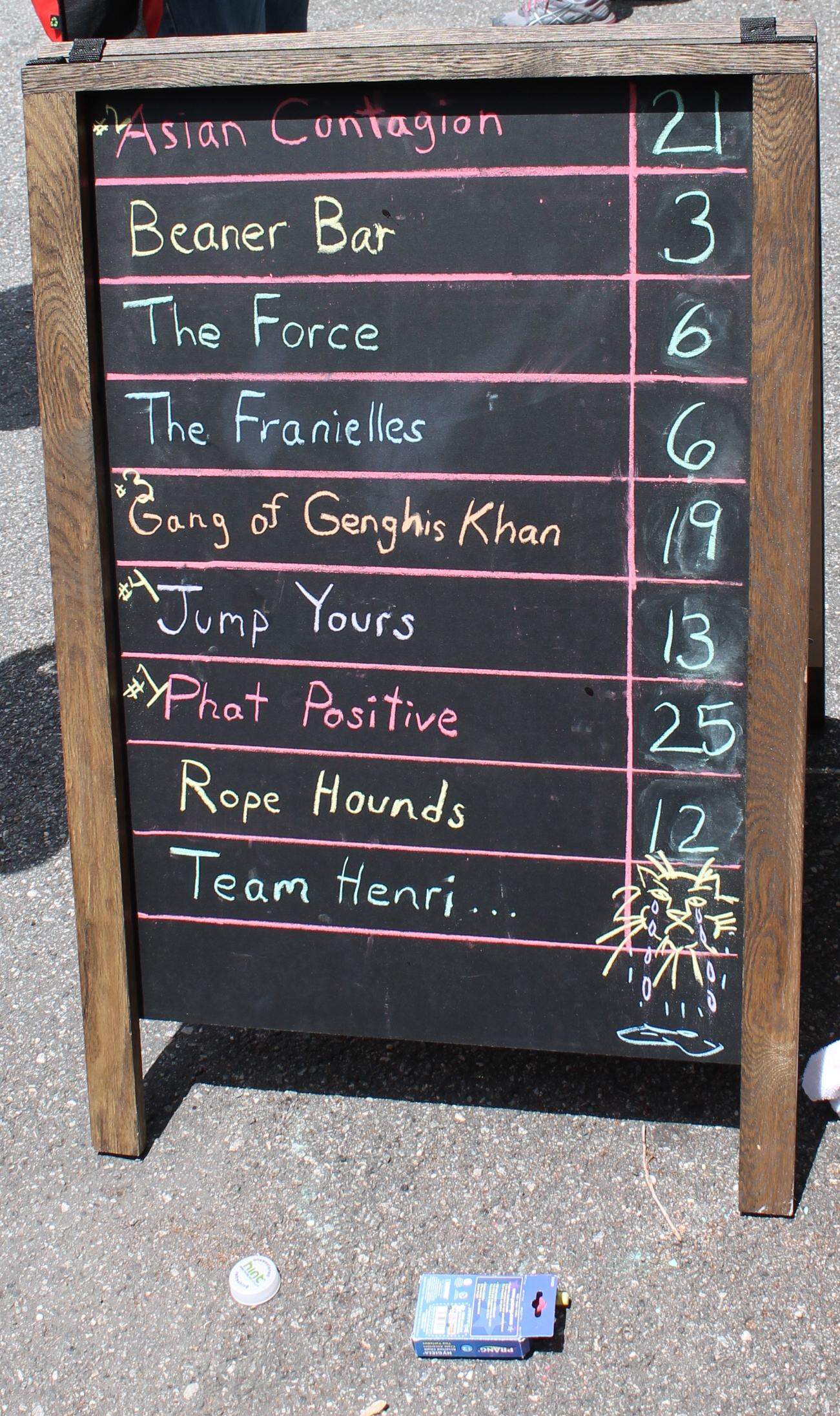
The eventual champions, Phat Positive, also put together a video to show off their skills even before the games. They have raised the bar for next year, and next year, my teammates and I will be ready.

Phat Positive performing their “fight song”

Phat Positive: 2012 Punk Rope games victors

However, my favorite part of the games was the after party, where we got to revel in the camaraderie that is Punk Rope. Of course, I had to change my clothes and put together  a relaxed, sporty outfit for the occasion.

Punk Rope Games after party outfit. T-shirt and skirt by American Apparel, ASOS “Deny” wedge sneakers. Thanks to Marisha for the photo!

What gets you up early on a Sunday morning?

The final scores. We scored a crying cat!

Thank you to Felicity Hogan for the great shots of Team Henri in action!

DIY White Mountain Writer’s Retreat

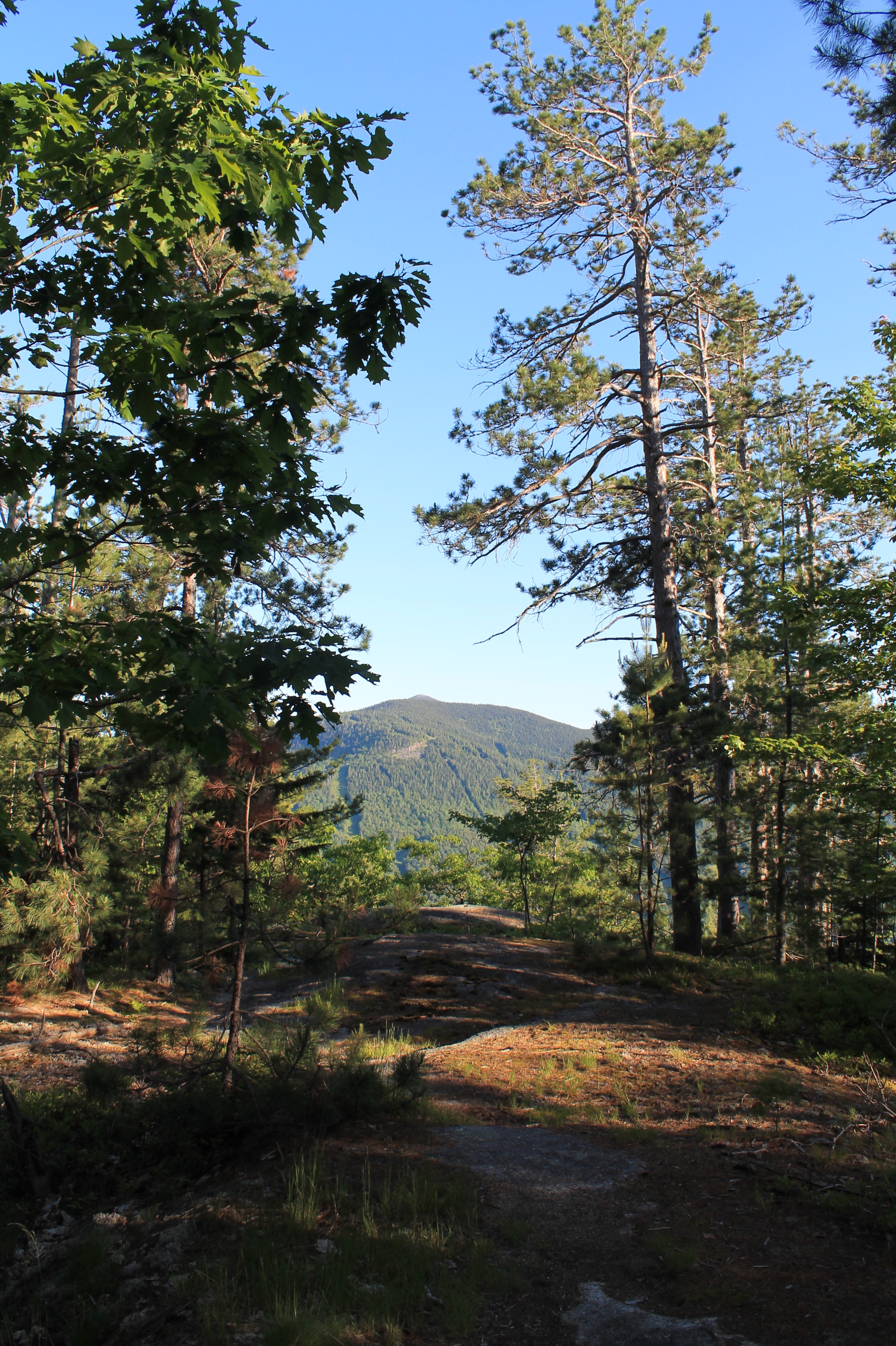
View across the valley of Hurricane Mountain

I love my life in New York City. It’s full to bursting with happenings, friends, and new ideas. I love that there is always a corner of the city I have not yet unexplored and new places to check out. However, this year I’ve also made a commitment to focus on my own practice as a writer and to finish a book project by September.

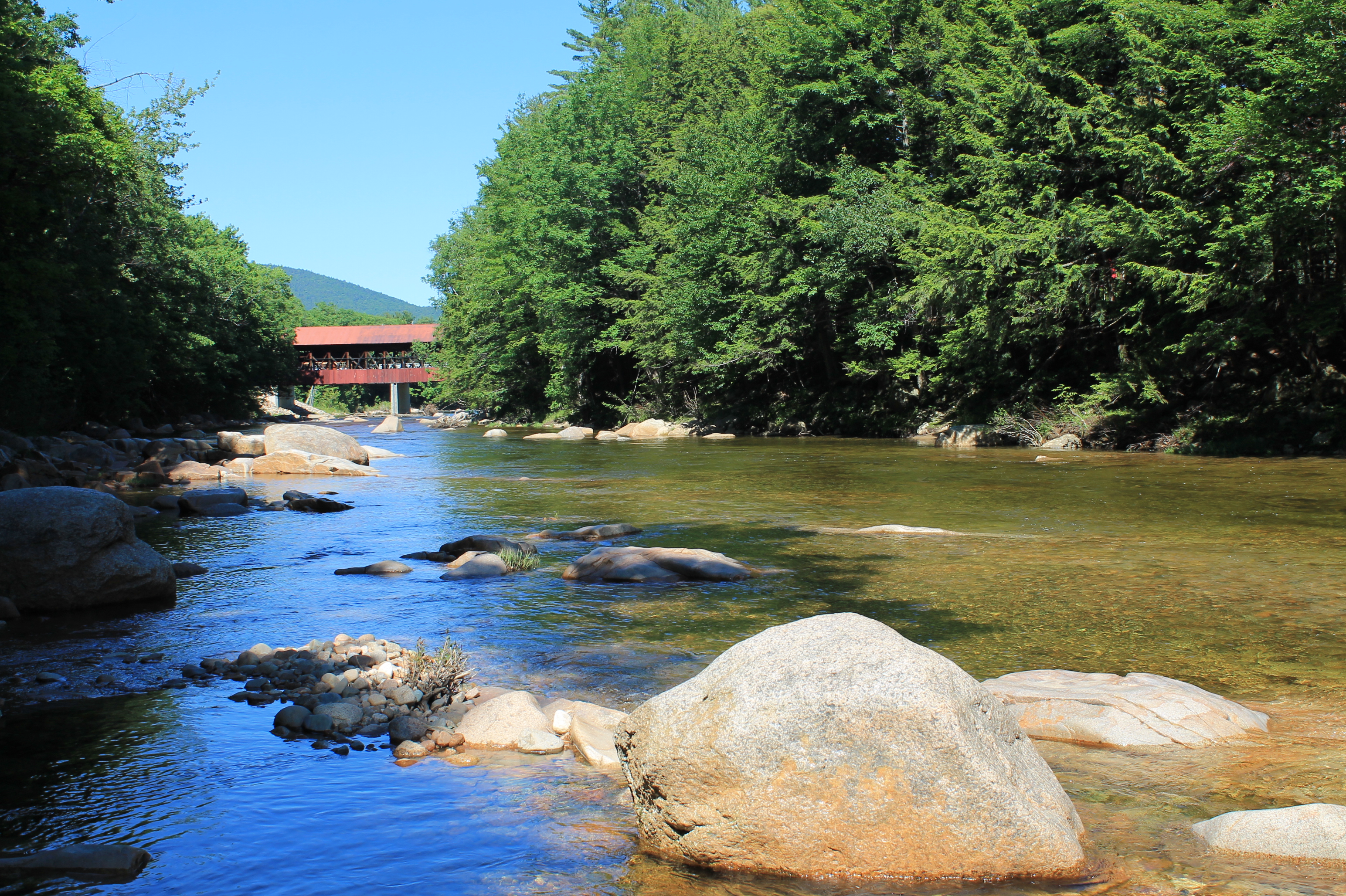
Covered bridge, New England pastoral

With a full-time job and full roster responsibilities and interests, I found that the book project was not getting done. It’s too easy to put off the really important, creative projects and focus on the less important. Watching my time drain away and my deadline approach I decided, “I need an artists residency where I can focus and get this done.”

The white mountains, pine trees, granite: the Mt. Washington valley in a nutshell

Here’s the problem: most artists residencies cost money. I don’t have money to spend on that kind of getaway right now. Many of them also require you apply and have work samples, which I’m still working on developing. So I thought, “What do artists residencies provide? Ah, space, time and a chance to focus.”  Then I realized: the book I am writing is about do-it-yourself culture, so why don’t I take my own advice and create my own residency?

The trail on Mt. Stanton

I took a week off from my day job and friends of my family were nice enough to let me stay in their “chalet” – an A-frame cabin they built in the 1960s in New Hampshire’s White Mountains. When I was younger I went there with my parents, my parents’ friends and their kids. We would all pile in to the house for days of skiing and sledding and spend evenings cooking huge communal meals and playing board games. I loved returning to a place I knew as a child and rediscovering it.

Desk du jour

Embarking on my “self-imposed writer’s retreat” made me nervous at first: could I take my creativity seriously enough to devote my days to it? To allay my fears I needed a plan.

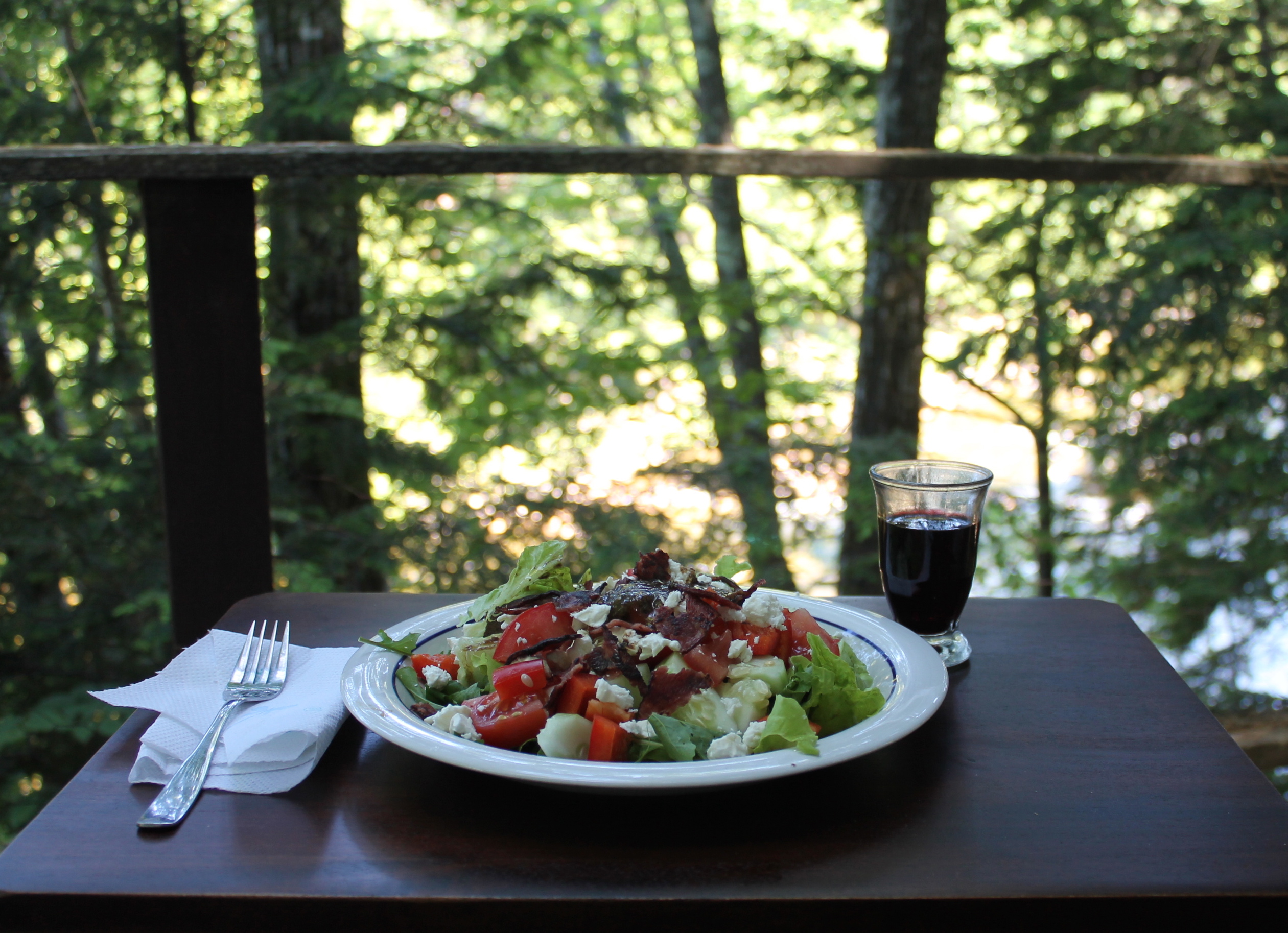
Simple lunch en terrace

I created a menu of healthy, easy to prepare meals so I wouldn’t be tempted to spend hours in the kitchen or only eat junk food.  I made a list of the writing tasks I needed to complete and a schedule for accomplishing them. I know I work best in the morning, so I made sure to get up by 7:30 and be writing by 8. I also know that I get really tired after lunch, so instead of forcing myself to keep working when I’m not going to be productive, I took a two-hour hike up a mountain behind the chalet, and wrote for four more hours when I returned. Finally, in the evenings after dinner I did smaller writing tasks, such as blog entries, correspondence and article drafting.

Morning coffee by the river

At the end of my four days in the mountains I had completed a first draft of my book. I also rediscovered the fact that writing, especially writing well, takes intense concentration and is hard work. It’s about sitting in a chair, focusing your mind and putting one word after another, even if it feels painful. I was proud that I mustered the creative self-discipline to pull this off. I also am pleased to confirm that I can, and want, to write for eight hours a day. Next step: make that possible more often.

Casual chalet summer style: J Crew t-shirt and shorts with espadrilles

I also found this: as a teenager I wanted nothing more than to get away from the woods of the northeast, but I’ve fallen back in love with this environment. I’m incredibly fond of the mountains where I spent childhood weekends and it was hard for me to leave the chalet after only four days.

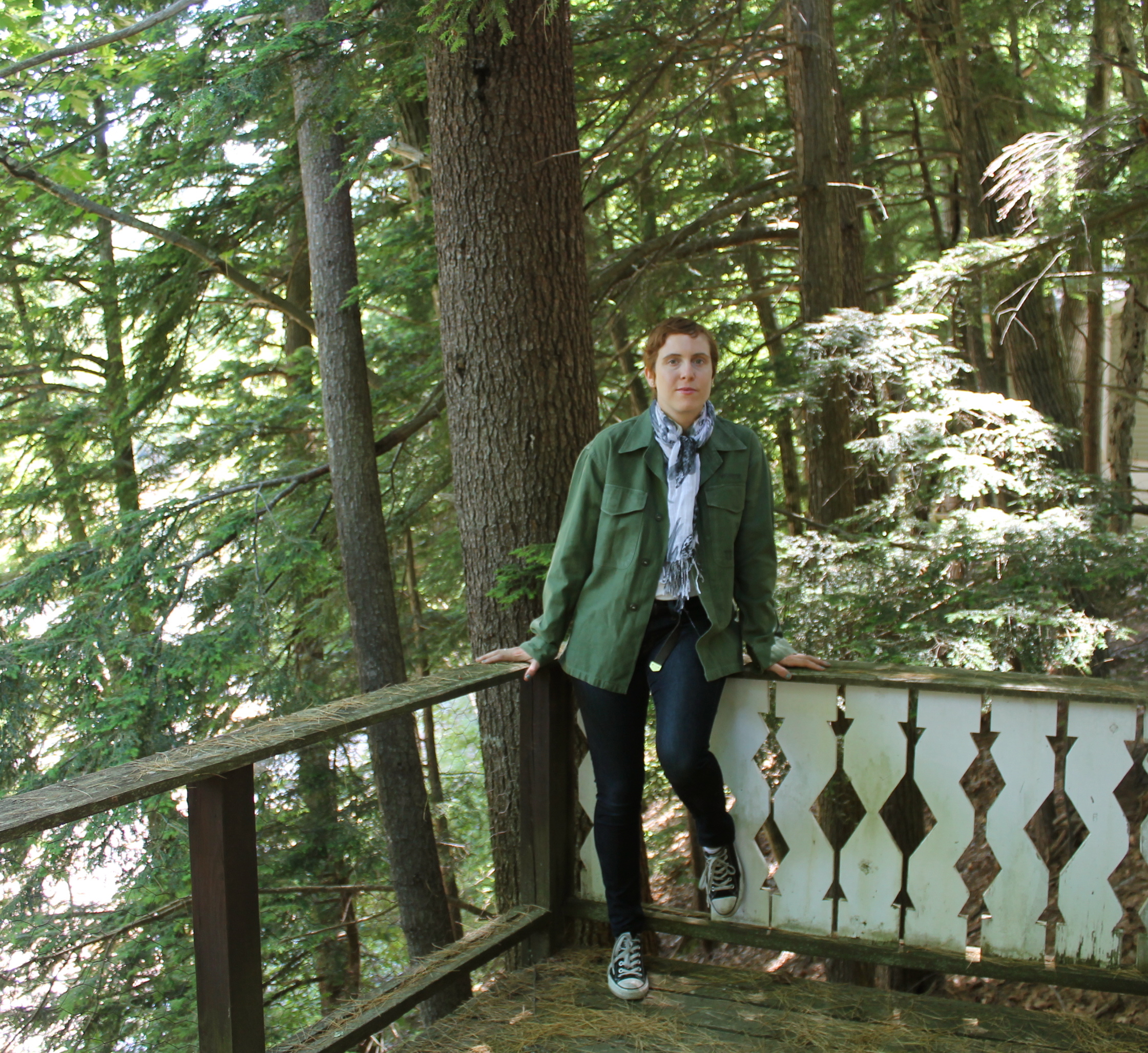
A little beatnik, a little north woods: USMC jacket (stolen from my father), J Crew t-shirt, generic linen scarf, Mavi jeans, Converse sneakers

I loved my days of solitude, where my only human interaction was with the clerk at the New Hampshire State Liquor Store where I went to buy a bottle of Cotes du Rhone one evening. When I arrived at the chalet I felt emotionally on edge from all my running around New York City and constant engagement with so many different projects.  Waking up to dappled June sunlight, the sound of the river, and feeling like I spent my days in a tree house slowly helped me gain back perspective and I left feeling emotionally grounded and creatively accomplished.

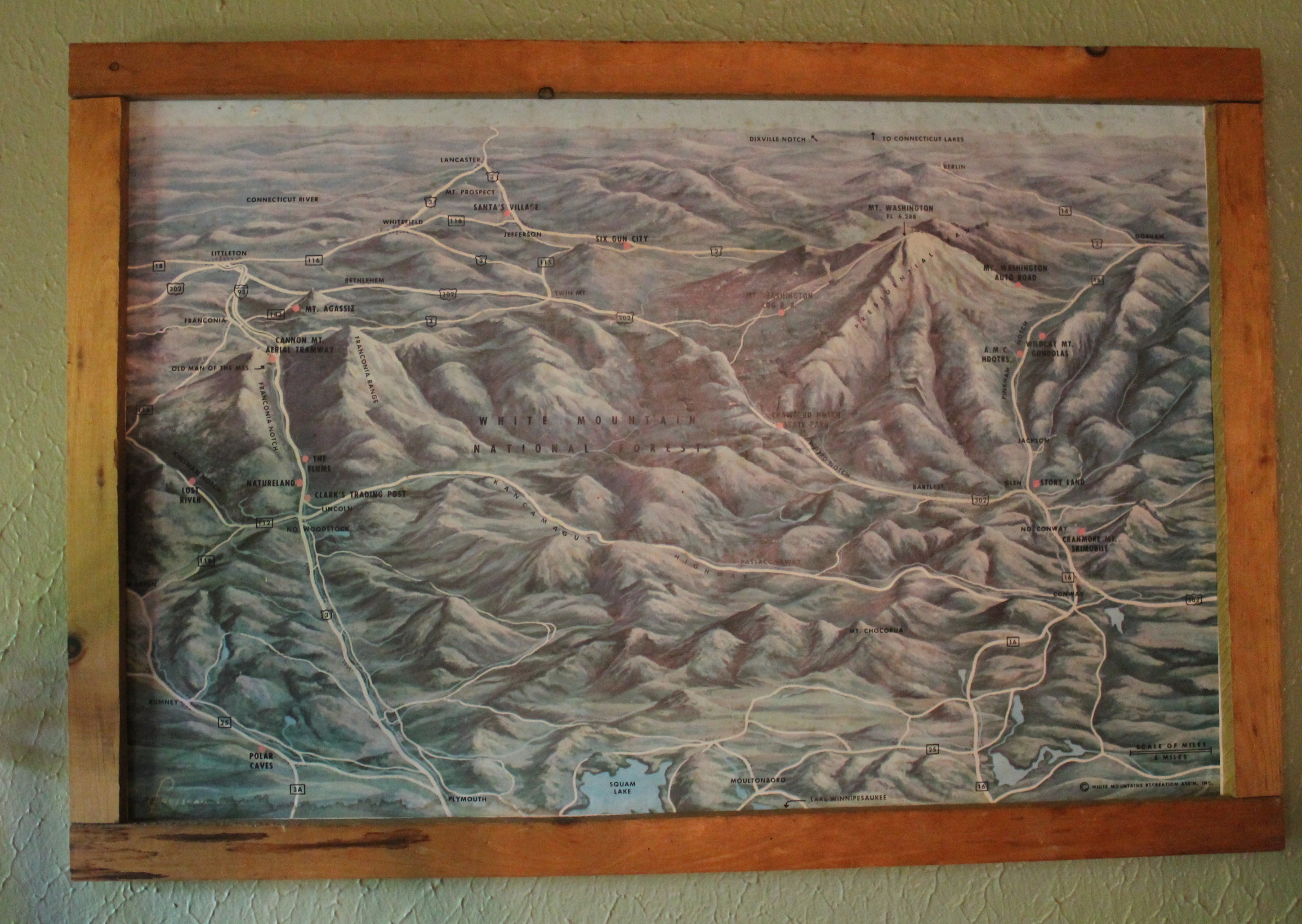
A map of the white mountains at the chalet

I might just make my “self-imposed writer’s retreat” an annual event.

And lest you think I’ve become a monk thanks to four days in New Hampshire, on my way out of North Conway I succumbed to temptation, outlet shopping, and that state’s lack of sales tax and bought my first pair of Minnetonka moccasins since the 1980s.
After being a holdout... I buy my first pair of Minnetonkas since childhood!

One more caveat: after reading this entry are you surprised that my favorite book as a teenager was The Dharma Bums by Jack Kerouac?

Hey, Brooklyn! Let’s GO see art!

I’m really excited to tell you about a great, new project that I’m involved in. The Brooklyn Museum, my favorite museum in the world, has launched GO, a community-curated, open studio event.  During GO, Brooklyn-based artists are asked to open their studios to the community on September 8–9, 2012. Community members registered as voters will visit studios and nominate artists for inclusion in a group exhibition to open at the Museum on Target First Saturday, December 1, 2012.

GO brings together so many of my favorite things: contemporary art, the Brooklyn art scene, social media, and the cultural life of the borough. Knowing that Brooklyn is a huge borough with 71 square miles and 67 different neighborhoods, the Brooklyn Museum is working with 22 neighborhood coordinators to help get the word out. I’m serving as a neighborhood coordinator for my favorite Brooklyn neighborhood, Sunset Park. If you see a redhead taking up posters or distributing GO postcards along 5th avenue or down in the industrial waterfront, that just might be me! You can meet the different coordinators, learn about art highlights in different neighborhoods, and learn more about the GO project on the very lively GO tumblr.

If you are artist with a studio in Brooklyn you have until June 29 to register to participate in the open studio weekend. You can find out more  and register on the GO website. If you don’t have a studio, but want to go see art in Brooklyn on September 8th and 9th, mark your calendar! Registration for voters opens August 1st.

Brighton Beach Memoirs

I want to feel the sand beneath my feet

June is always a fickle month. It’s not quite summer, but I’m already itching to go to the beach, to feel the sand between my toes, the sun on my back, and to spend long lazy days by the ocean or on the board walk, letting my cares drift away.

Down on the boardwalk

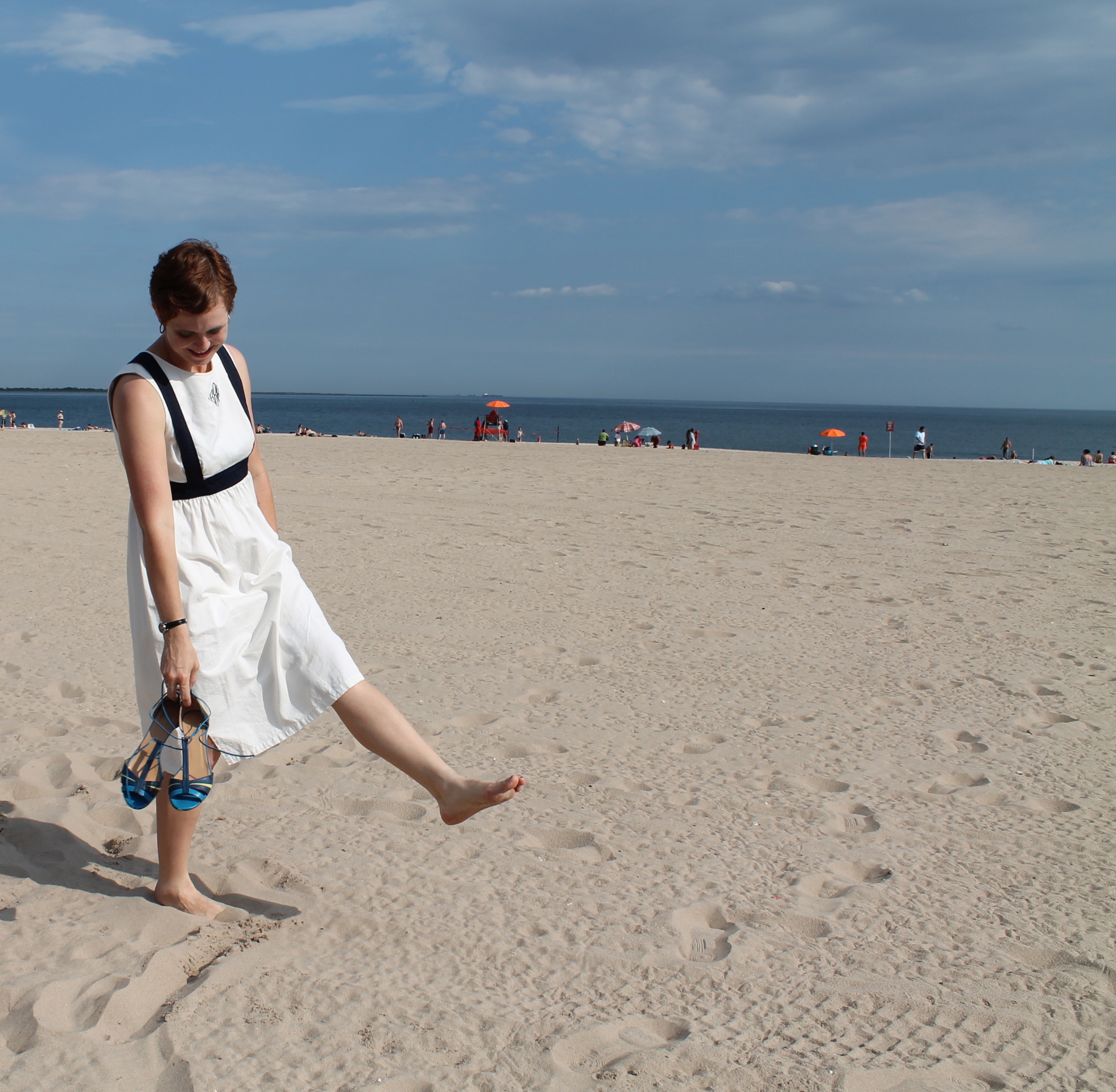
For a June birthday celebration we wove a nautical theme into a Saturday afternoon with clams at Randazzo’s Clam Bar in Sheepshead Bay (offering fried seafood that is, reportedly “the pride of Sheepshead Bay”), a walk along the board walk at Brighton Beach and a stop at Ruby’s Bar in Coney Island. In honor of all things sea worthy I pulled out my old favorite LL Bean tote bag and paired it with a very matching Built by Wendy dress.

This was the perfect outfit to show off my new Ellips shoes from designer Priscille Demanche’s Spring/Summer 2012 collection. She had a 4 day sale on my birthday and when I emailed her and said that I was offering myself a pair of her sandals as a gift she gave me free shipping all the way from France! What a darling! And hurry, she has organized a sale to benefit a charity of your choice on her past season collections just until Friday the 15th. Up to 60% off and a donation to a good cause! Shop your shoes at the Ellips site here (don’t hesitate to email Priscille if you are ordering from outside of France) and vote on which association should benefit here.

See you on the beach and the boardwalk this summer!

Thanks to my friend Heather Donahue for the lovely photographs!